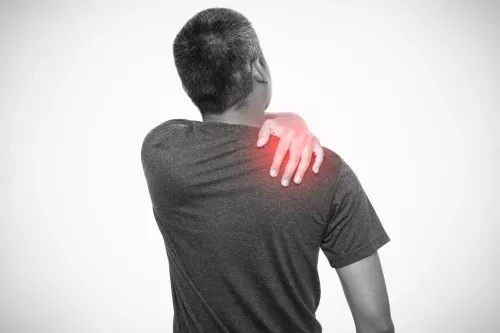
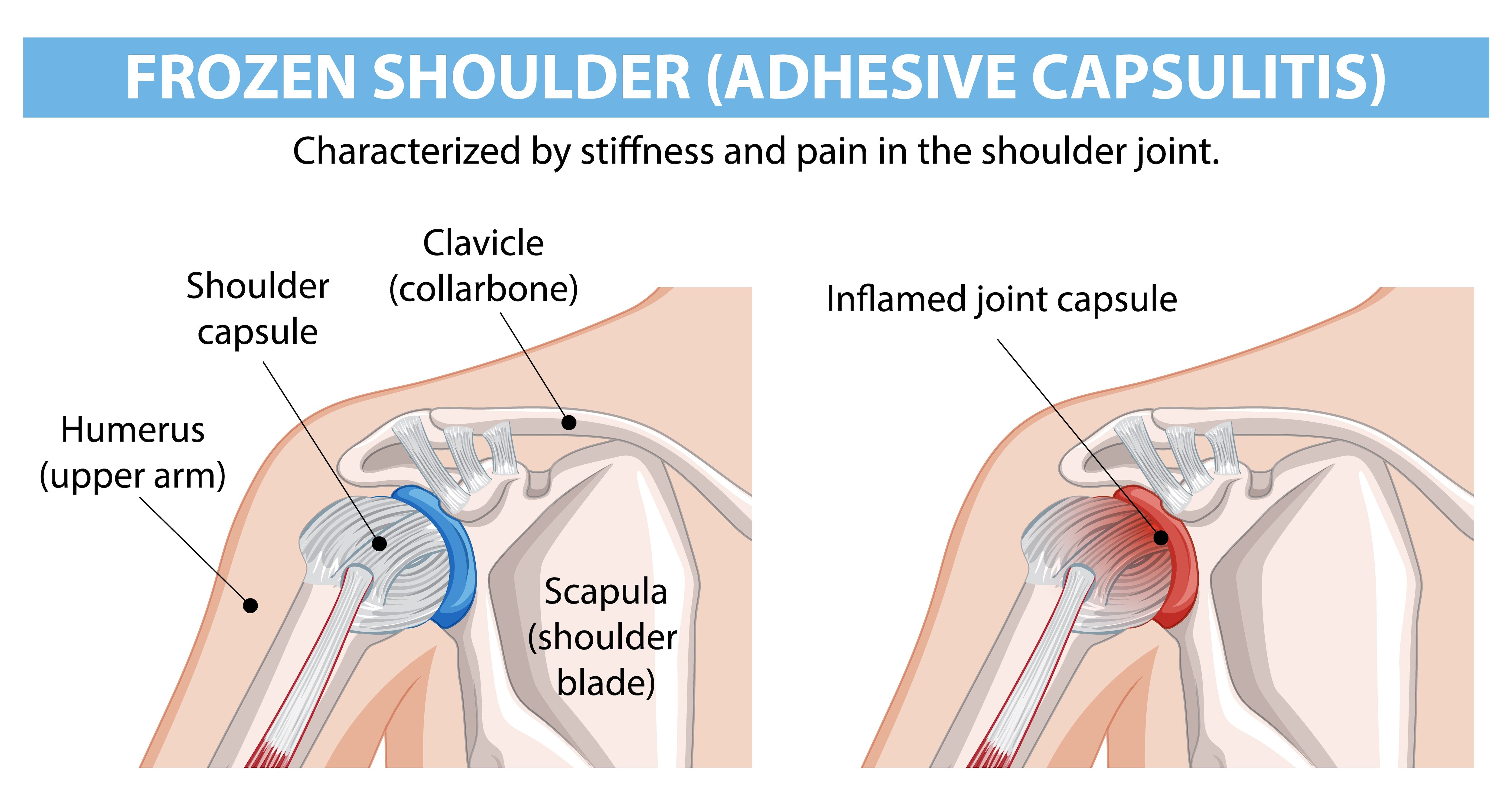
Older adults with a painful, stiff shoulder need more than an assumption that the problem is normal ageing. By the end, you will know how clinicians identify adhesive capsulitis, which treatments are suitable at different stages, what safety issues affect medication and injections, and how to choose appropriate care in Mumbai.
Key takeaways
- Pain control and gentle exercises can restore useful shoulder movement.
- A physical examination helps distinguish frozen shoulder from rotator cuff tears and arthritis.
- Start with supervised exercises matched to pain and stiffness.
- Reassess worsening pain, weakness, or stalled progress with a shoulder specialist.
Can treatment improve frozen shoulder in an older adult?
Treatment can reduce pain and restore useful movement in an older adult, especially when pain control and gentle, supervised exercises match the shoulder’s irritability. Frozen shoulder treatment for older adults in Mumbai cannot promise a quick recovery or completely normal motion.
- Painful freezing: pain increases, often disturbing sleep, while external rotation becomes restricted. Dressing, bathing and reaching overhead become harder.
- Stiff frozen: pain may settle, but marked stiffness limits grooming, reaching behind your back and putting on clothes.
- Gradual thawing: movement returns slowly, but progress is uneven and incomplete.
Frozen shoulder in elderly patients deserves assessment rather than being dismissed as age-related stiffness. Diabetes, thyroid disease, arthritis and a previous shoulder injury can affect diagnosis and slow recovery. Frailty, reduced strength and balance problems also require slower exercise progression and support to prevent falls.
Pain relief and restored range of motion are separate outcomes: treatment may make sleeping and bathing easier before full movement returns. Recovery commonly takes roughly one to three years, and some people do not regain completely normal motion. If daily activities remain restricted, waiting indefinitely for spontaneous improvement is not dependable.
A clinician should reassess the diagnosis and plan when pain persists, function plateaus or weakness appears.
How do you know it is frozen shoulder rather than another condition?
Both active and passive movement are limited in adhesive capsulitis, with external rotation usually restricted first or most severely. If you cannot lift the arm yourself but someone else can move it nearly normally, weakness during active movement with preserved passive movement points more toward a rotator-cuff tear.
Shoulder arthritis causes painful, mechanically limited movement with joint wear visible on X-ray. A fracture usually follows a fall or blow and causes sudden pain, while dislocation often produces severe pain and visible deformity. Cervical nerve compression can cause neck pain, tingling, numbness or weakness extending into the arm.
Polymyalgia rheumatica causes marked morning stiffness and aching in both shoulders, often with hip symptoms or other inflammatory features.
Assessment includes the pain’s onset, injury history, diabetes, thyroid disease and daily goals, followed by shoulder and neck examination. The clinician checks active and passive range, strength, reflexes, sensation and nerve function, then relates findings to dressing, bathing, grooming and reaching.
An X-ray helps identify fracture, arthritis or other bone disease but does not usually show the contracted capsule. Ultrasound or MRI helps investigate a suspected cuff tear or another atypical problem. Blood tests can support evaluation for inflammatory or systemic disease.
Seek urgent care after a fall, with deformity, fever, a hot swollen joint, sudden weakness, chest pain, new neurological symptoms or rapidly worsening function. Frozen shoulder in elderly patients is not simply age-related stiffness.
What does a safe first treatment plan involve?
A typical frozen shoulder treatment mumbai pathway starts with clinician-reviewed pain relief, supervised physiotherapy and gentle home range-of-motion work. Modify painful activities without stopping all shoulder use; apply heat or cold according to comfort. Prolonged sling use or complete immobilisation allows stiffness to increase, while forceful stretching can inflame an already painful shoulder.
- Exercise in frequent, short sessions rather than one exhausting workout.
- Move within tolerable pain and stop if pain remains substantially worse afterwards.
- Avoid aggressive bouncing, sudden jerks and forcing the arm beyond its available range.
- Use a chair, wall support or another person’s assistance if poor balance, weakness or fall risk makes standing exercises unsafe.
- Ask a clinician or pharmacist to review every medicine before using an anti-inflammatory painkiller. Kidney disease, stomach ulcers, heart failure, hypertension, diabetes, anticoagulants and multiple medicines can change the risk of bleeding, kidney injury, fluid retention, blood-pressure elevation or drug interactions.
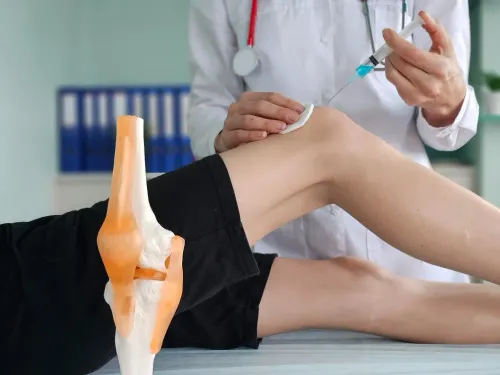
- Discuss a corticosteroid injection as a possible short-term pain-relief option, especially during a painful phase. Check diabetes and plan for blood-glucose changes; review blood-pressure and bleeding concerns, and choose timing from the stage, diagnosis and examination rather than a standard schedule.
| Option | Benefit | Main caution |
|---|---|---|
| Gentle physiotherapy and home movement | Builds usable range gradually | Overstretching can worsen pain |
| Corticosteroid injection | May improve pain and movement short term | It is not a cure; glucose, pressure and bleeding risks need review |
| Sling or complete rest | Brief protection after a specific injury | Prolonged use can intensify stiffness |
When should treatment be reassessed or escalated?
Judge progress by what your shoulder lets you do: dressing, bathing, reaching a shelf, grooming your hair and sleeping. A small gain in daily function matters even when measured movement changes slowly; worsening night pain or loss of independence deserves review.
If pain or stiffness plateaus, do not move straight to a procedure. Ask the clinician to review:
- Whether the diagnosis is correct, including neck pain, cervical nerve compression, rotator-cuff disease or shoulder arthritis
- Whether exercises are performed correctly, frequently enough and within tolerable pain
- Whether weakness, fear, poor balance or frailty is limiting adherence
- Whether pain medicines or other medicines are causing side effects or inadequate relief
- Whether diabetes, thyroid disease or another condition is delaying recovery
| Option | Short-term aim | Important limitation or concern |
|---|---|---|
| Hydrodilatation | Stretch the capsule and improve pain or movement | Evidence is mixed; it is not a guaranteed cure and works alongside rehabilitation |
| Manipulation under anaesthesia | Break up restriction by moving the shoulder | Fracture, dislocation, rotator-cuff injury and nerve injury are particular concerns with frailty or osteoporosis |
| Arthroscopic capsular release | Treat persistent, disabling stiffness | Uncommon after adequate non-operative care; postoperative physiotherapy remains necessary |
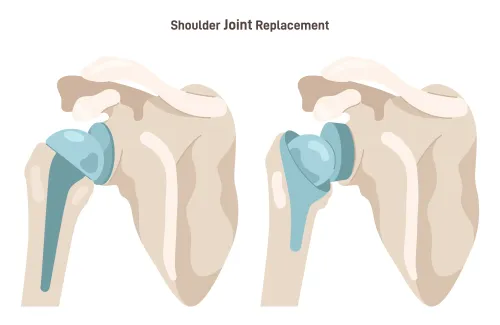
| Shoulder replacement | Treat specific severe joint disease | Not routine for uncomplicated frozen shoulder |
Seek reassessment for worsening weakness, new trauma or failure to improve as expected. Neither hydrodilatation, manipulation nor shoulder replacement replaces a careful diagnosis and rehabilitation plan.
How should you choose shoulder stiffness care in Mumbai?
Choose clinical access, not distance alone. Compare a frozen shoulder specialist Mumbai clinic with a shoulder stiffness treatment Vile Parle provider by asking whether the clinician can distinguish adhesive capsulitis from arthritis, rotator-cuff disease and neck-related pain.
| Option | What to check | Why it matters |
|---|---|---|
| Nearby clinic | Active and passive movement, neck and nerve examination | Limited passive movement supports a joint problem; nerve or cuff weakness points elsewhere |
| Specialist service | Diagnosis review, imaging or blood-test explanation | Avoids unnecessary tests and missed fracture, arthritis or inflammatory disease |
| Integrated care | Named physiotherapist and planned follow-up | Exercises can be adjusted when pain, weakness, balance or fall risk changes |
Ask these questions before booking:
- Will you test active and passive motion, examine my neck and nerves, and review diabetes, thyroid disease, osteoporosis, anticoagulants and every medicine?
- What finding would justify an X-ray, ultrasound, MRI or blood test?
- Who provides physiotherapy, and how will home exercises change if my strength or fall risk limits them?
- How will an injection be monitored, including blood glucose, blood pressure and bleeding risk?
- What happens if progress stalls, and what do consultation, imaging, injection or procedure, and rehabilitation fees include?
Specialist assessment is especially valuable for an uncertain diagnosis, severe symptoms, a plateau after guided care or an invasive-treatment decision. Dr Dhirav Shah- Orthopaedic Surgeon 8104619499 is one Mumbai orthopaedic consultation option for that evaluation, without assuming which diagnosis or treatment you need.
Related service
Frozen Shoulder Treatment In frozen shoulder or adhesive capsulitis, patients suffer from stiffness of shoulder joint with pain, and this condition worsens with time. View service → |
Frequently asked questions
Can treatment improve frozen shoulder in an older adult?
Yes. Pain control and gentle, supervised exercises can reduce pain and restore useful movement, but recovery may take time and normal motion is not guaranteed.
How do you know it is frozen shoulder rather than another condition?
A clinician assesses your active and passive shoulder movement, pain pattern, strength, and medical history to distinguish frozen shoulder from rotator cuff tears, arthritis, and other causes of stiffness.
What does a safe first treatment plan involve?
A safe first plan matches exercise intensity to the shoulder’s irritability and combines pain management with gradual, supervised range-of-motion exercises.
When should treatment be reassessed or escalated?
Arrange reassessment when pain worsens, weakness appears, movement stops improving, or the diagnosis remains uncertain. Further treatment depends on the examination and response to initial care.
How should you choose shoulder stiffness care in Mumbai?
Choose a clinician who examines the shoulder, explains alternative diagnoses, adapts exercises for older adults, and sets a clear follow-up plan. Patients near Vile Parle can search for shoulder stiffness treatment Vile Parle or a frozen shoulder specialist in Mumbai.
Keywords