A twisting injury, swollen knee, or difficulty straightening the leg can point to a meniscus tear, but a locked knee or inability to bear weight changes how quickly you need care. You will learn how to triage the injury, what assessment and scans can show, which treatments fit different tear patterns, and how to choose a nearby consultation without assuming that every tear needs surgery.
Key takeaways
- Joint-line pain after twisting can indicate a meniscus injury.
- Use ice, elevation, and activity reduction before your knee-clinic visit.
- MRI findings must be matched with symptoms and a physical examination.
- Treatment ranges from physiotherapy to meniscus repair or trimming surgery.
How to Tell Whether Your Knee Injury Could Involve the Meniscus
Pain along the joint line after a twist, squat, or sudden change of direction can suggest a meniscus injury. Swelling, stiffness, catching, clicking, and pain when turning or squatting add support, but a click alone does not prove a tear.
| Finding | What it may indicate | What to do |
|---|---|---|
| Joint-line pain, swelling, or painful squatting | Meniscus irritation or tear | Arrange an orthopaedic assessment |
| Brief clicking or catching | Meniscus injury, kneecap problem, or another joint issue | Seek examination if it persists or limits movement |
| Knee remains unable to reach full extension | A displaced meniscus fragment, such as a bucket-handle tear | Obtain same-day orthopaedic assessment |
| Large swelling soon after injury or inability to bear weight | Possible ligament injury, fracture, or osteochondral injury as well as meniscus damage | Seek same-day assessment |
| Visible deformity, numbness, or a hot red knee with fever | Fracture, dislocation, nerve involvement, or infection | Seek urgent medical care today |
A twisting injury followed by immediate swelling, giving way, or inability to continue sport deserves a knee-and-sports examination rather than treatment based on symptoms alone. These signs can involve the anterior cruciate ligament, patella, bone, or articular cartilage.
If you are searching for meniscus treatment near santacruz, describe when the swelling began, whether you can fully straighten the knee, and whether you can walk. Do not mistake a transient catch for a genuinely locked knee; persistent loss of extension is the more urgent warning.
What to Do Before You Reach a Knee Clinic
The first hours are about preventing a second injury, not testing how much pain you can tolerate. Stop running, squatting, pivoting, and stair practice; a twist on a swollen knee can worsen a meniscus tear or an associated ligament injury.
1. Stop the activity and sit or lie down. Keep the knee in the most comfortable position, and do not force it straight if it catches or feels locked.
2. Apply an ice pack wrapped in a thin cloth for 15 to 20 minutes. Repeat every two to three hours while awake; never place ice directly on your skin.
3. Raise the leg above heart level with pillows under the calf, not directly behind the knee. Elevation helps limit swelling.
4. Avoid unnecessary weight-bearing. Use crutches only if you already know how to use them safely, and do not drive if pressing the pedals or moving your knee hurts.
Arrange prompt orthopaedic assessment if you cannot bear weight, the knee cannot fully straighten, swelling became large soon after the injury, or the joint looks deformed. A hot, red knee with fever, new numbness, or a cold foot needs urgent medical attention.
Do not massage the knee, apply heat, or “walk it off” before it is assessed.
How Doctors Confirm a Meniscus Tear
An orthopaedic assessment checks whether the pain comes from the meniscus or from a fracture, ligament injury, patellar instability, osteochondral injury, or arthritis. The doctor will ask how the injury happened, where it hurts, and whether swelling, catching, giving way, or locking followed.
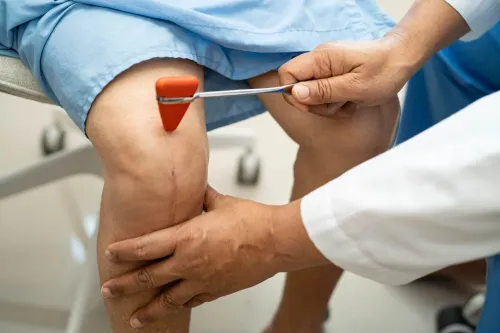
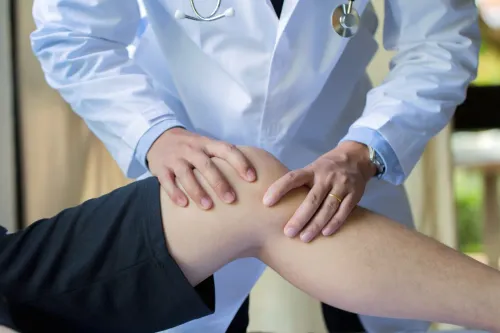
The examination includes joint-line tenderness, knee flexion and extension, swelling, walking ability, and stability tests for the anterior cruciate ligament and other supporting structures. Inability to fully straighten the knee, inability to bear weight, major swelling soon after injury, or a suspected fracture needs prompt assessment rather than routine physiotherapy.
Ask what each scan will establish:
- X-ray: It does not usually show a meniscus tear, but it can reveal a fracture, bone alignment problem, narrowed joint space, or osteoarthritis.
- MRI: It shows the meniscus, articular cartilage, ligaments, bone marrow, and associated injuries. It is useful when the examination leaves the diagnosis uncertain or when surgery is being considered.
- MRI review: Ask the doctor to examine the original images, not only the written report, and identify the tear’s pattern and location.
A scan alone does not decide treatment. A small, stable tear without locking may receive rehabilitation first, while a displaced tear causing a locked knee demands a different discussion. If you are comparing meniscus injury treatment mumbai options, confirm which tissue is injured: the meniscus is fibrocartilage, while articular cartilage covers the bone ends.
When Physiotherapy, Injections, Repair, or Trimming Makes Sense
Treatment follows the tear’s behaviour, not the MRI label. A locked knee, displaced bucket-handle tear, or unstable traumatic tear needs prompt surgical assessment; a stable tear without locking often starts with physiotherapy and activity modification.
| Option | Best fit | Main trade-off |
|---|---|---|
| Non-surgical care | Stable tears, degenerative symptoms, and no true locking | Preserves tissue, but progress depends on strengthening and symptom control |
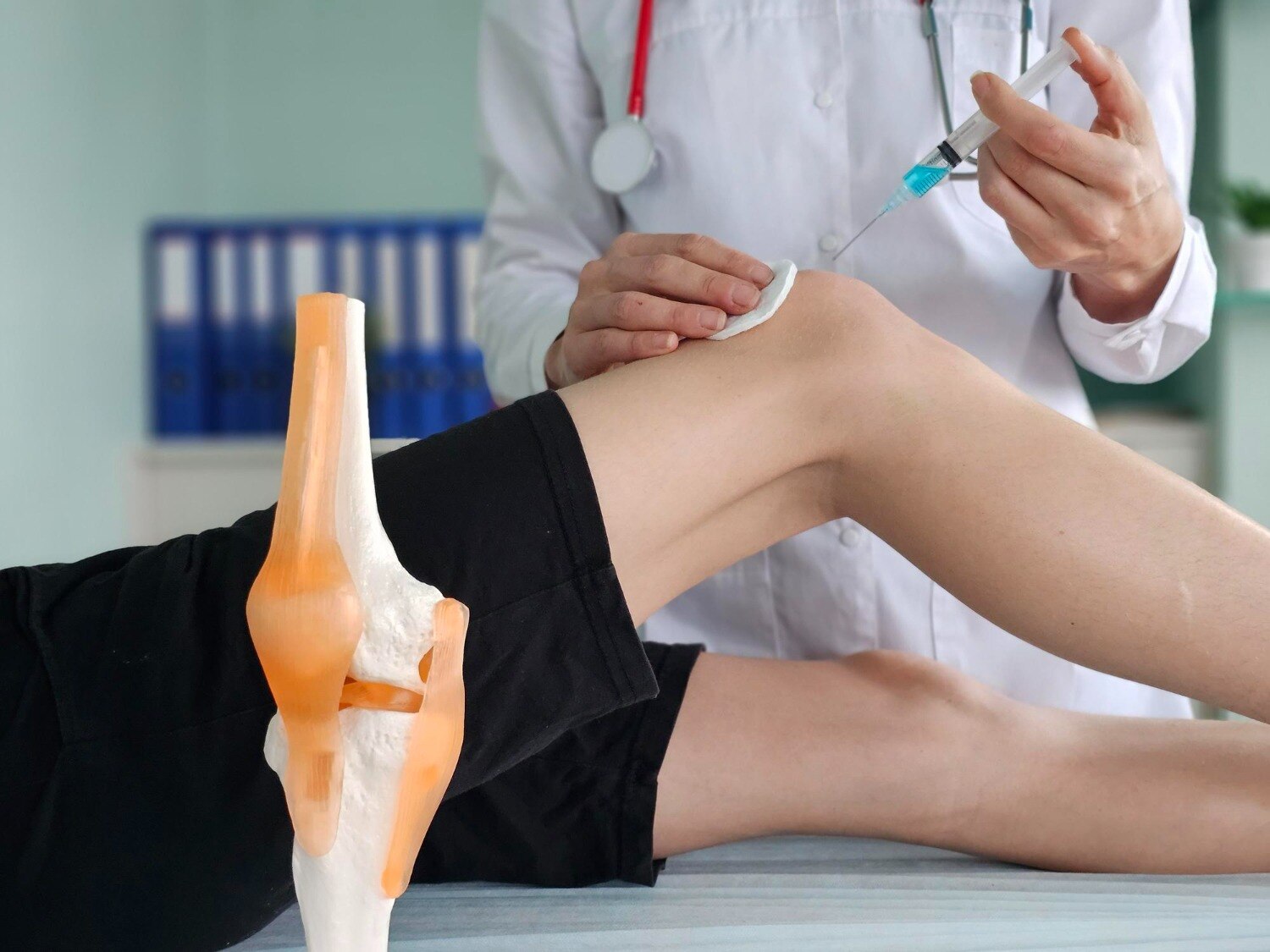
| Injections | Short-term inflammatory pain that limits rehabilitation | Can reduce pain, but does not reattach or heal a torn meniscus |
| Meniscus repair | Repairable traumatic tears, especially peripheral vertical tears with good blood supply or selected root tears | Preserves load-sharing tissue, but requires longer rehabilitation and can fail to heal |
| Partial meniscectomy | An irreparable flap, complex tear, or loose fragment causing persistent catching after appropriate non-operative care | Faster early recovery, but removing tissue increases joint loading and later arthritis concerns |
A knee cartilage injury doctor Mumbai appointment should clarify whether the scan shows meniscus fibrocartilage, bone-covering articular cartilage, or arthritis. Ask the clinician to review the original MRI images, identify the tear’s zone and pattern, and compare repair with trimming rather than prescribing surgery from the report alone.
Return-to-driving and sport restrictions differ sharply: repair commonly requires protected weight-bearing and slower progression, while trimming usually allows earlier movement. A good plan states the rehabilitation milestones before you consent.
How to Choose Fast Meniscus Care near Santacruz or Vile Parle
Ask the clinic these questions before booking:
- Will the clinician review the original MRI images, not only the radiology report?
- Will they identify the tear’s zone and pattern, and check for ACL injury, patellar instability, fracture, cartilage damage, or osteoarthritis?
- If surgery is discussed, will they explain repair versus partial meniscectomy, expected rehabilitation, and restrictions on driving, work, and sport?
- Does the appointment include a knee-and-sports examination?
A nearby orthopaedic surgeon is useful when the knee is locked, you cannot bear weight, swelling appeared rapidly after injury, or you cannot fully straighten the joint. Do not wait for routine physiotherapy in those situations. Dr Dhirav Shah- Orthopaedic Surgeon 8104619499 can assess whether a local appointment needs urgent imaging or specialist surgical planning.
| Booking need | What to ask for | Why location helps |
|---|---|---|
| Unclear diagnosis | Examination plus X-ray or MRI advice | Faster assessment of fracture, arthritis, ligament, or meniscus causes |
| Degenerative symptoms without locking | Structured exercise rehabilitation before surgery | Easier follow-up for progress and treatment changes |
| Suspected repairable tear | MRI image review and repair-versus-trimming discussion | Quicker planning and rehabilitation guidance |
| Locked knee or major swelling | Same-day orthopaedic assessment | Delays can prolong loss of movement |
A search for “meniscus specialist Vile Parle” or “meniscus surgery consultation Santacruz” should not commit you to an operation. A good consultation explains why non-operative care fits—or does not fit—your tear.
Related service
Meniscus Treatment The meniscus is a C-shaped piece of tough, rubbery cartilage that acts as a shock absorber between your shinbone and thighbone. View service → |
Frequently asked questions
How can you tell whether a knee injury could involve the meniscus?
Pain along the joint line after a twist, squat, or sudden direction change can suggest a meniscus injury. Swelling, stiffness, catching, and pain during turning or squatting provide additional clues, but clicking alone does not prove a tear.
What should you do before visiting a knee clinic?
Reduce activities that trigger pain, avoid deep squats and twisting, use ice for short periods, elevate the leg, and arrange an evaluation if pain, swelling, locking, or difficulty bearing weight persists.
How do doctors confirm a meniscus tear?
Doctors combine your injury history with a knee examination and movement tests. They use X-rays to assess bones and MRI scans to view the meniscus and other soft tissues when the findings require further confirmation.
When do physiotherapy, injections, repair, or trimming make sense?
Treatment depends on tear location, size, symptoms, knee stability, age, activity demands, and associated injuries. Physiotherapy may suit manageable symptoms, while repair or trimming is considered when persistent mechanical symptoms or a repairable tear warrants surgery.
Keywords