Pain along the knee joint, swelling after an injury, catching, or trouble twisting does not identify the meniscus as the cause by itself. You will learn how to recognise warning signs, prepare for a consultation, understand X-rays and MRI, and compare physiotherapy, meniscal repair, partial meniscectomy, and watchful non-surgical care.
Key takeaways
- A true locked knee cannot fully straighten because a displaced fragment blocks movement.
- Record injury timing, swelling, locking, medicines, and activity limits before consultation.
- Weight-bearing X-rays assess joint space; MRI shows meniscus and soft-tissue damage.
- Treatment may involve rehabilitation, meniscus repair, or partial meniscectomy.
How to recognise a meniscus tear—and when knee pain points elsewhere
A meniscus tear often causes pain along the inner or outer joint line, swelling that develops over several hours, pain with twisting, and difficulty squatting or climbing stairs. Catching can occur, but a true locked knee cannot fully straighten because a displaced fragment blocks movement.
| Problem | Clues that point towards it | Important distinction |
|---|---|---|
| Meniscus tear | Joint-line pain, twisting pain, delayed swelling, catching | MRI findings must match symptoms and examination |
| ACL injury | A pop, rapid swelling, instability after a pivot or landing | The knee may feel as if it gives way |
| PCL injury | Pain and swelling after a blow to the shin or a bent knee | Instability differs from meniscal catching |
| Patellofemoral pain | Pain behind or around the kneecap during stairs, squats or sitting | Usually lacks joint-line tenderness |
| Osteoarthritis | Gradual pain, stiffness, creaking and reduced movement | Degenerative meniscal changes often accompany it |
| Sprain or referred pain | Pain after stretching a ligament, or pain linked to the hip or spine | The knee may not be the primary source |
A traumatic tear and a degenerative tear need different decisions. If you are searching for meniscus tear treatment mumbai, remember that non-displaced tears without true locking often start with activity modification, ice, appropriate short-term analgesia and supervised strengthening.
Seek urgent assessment for a locked knee, major swelling after injury, inability to bear weight, visible deformity, fever, or a hot red joint. Clicking alone does not prove that surgery is needed.
What to record before a meniscus consultation in Vile Parle
Bring a one-page timeline, not just an MRI report. A search for meniscus consultation near me becomes more useful when the clinician can match the scan with what happened, when symptoms began, and how your knee behaves.
1. Record the injury mechanism and date: twisting while planted, a fall, sports impact, or gradual pain without one event. Note when swelling appeared, how long it lasted, and whether the knee catches or locks.
2. Describe what you cannot do now. Include walking distance, stair climbing, squatting, sitting, running, and the specific movement that triggers pain. Record every locking episode and whether you could fully straighten the knee afterward.
3. List previous knee injuries, operations, physiotherapy, injections, and scans. Add your medicines, allergies, diabetes, bleeding disorders, inflammatory arthritis, and other medical conditions.
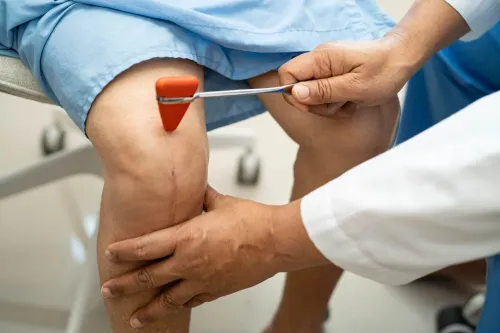
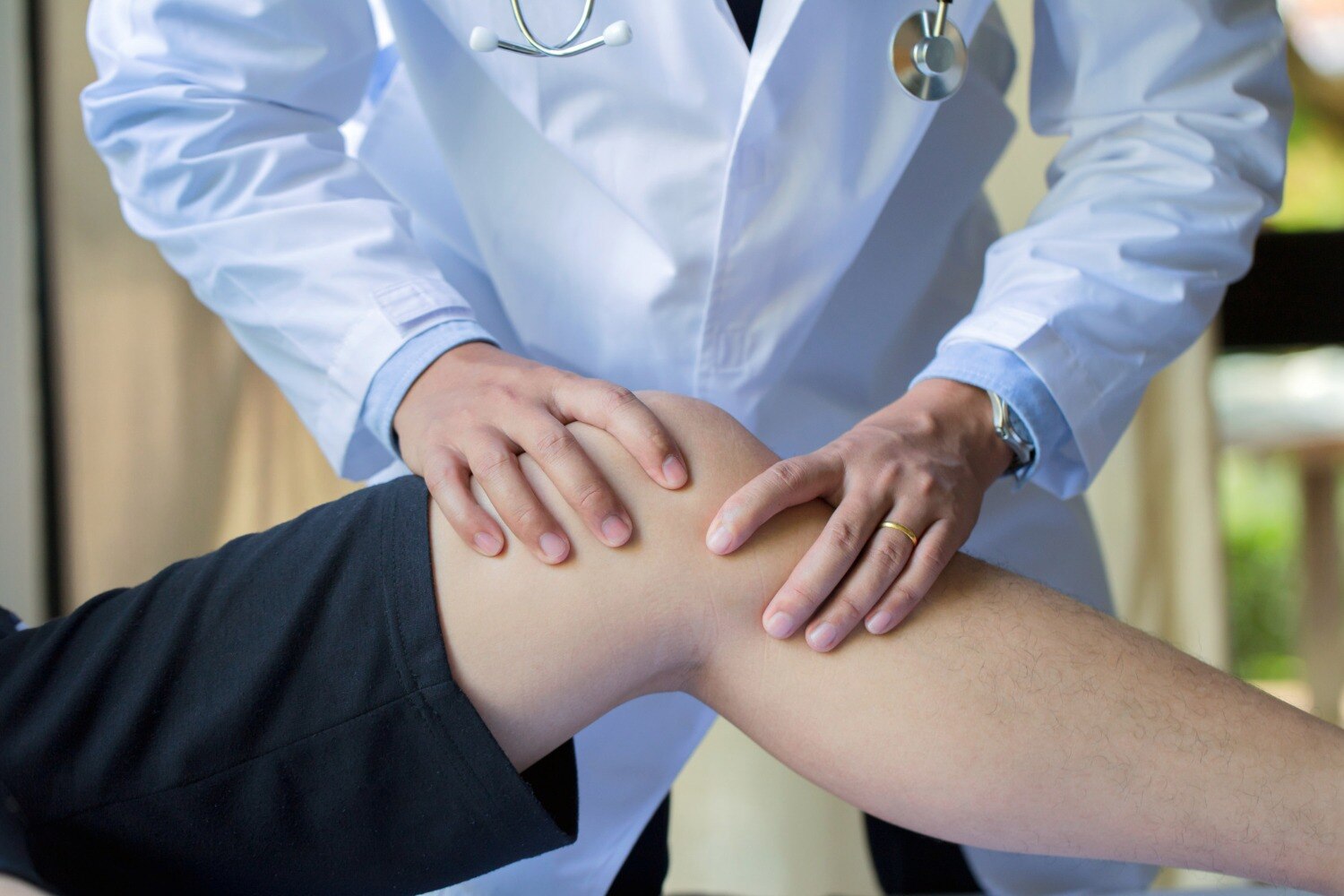
4. Take the clinician through the symptoms rather than pointing only to the scan. A meniscus doctor Vile Parle patients consult will check your gait, swelling, joint-line tenderness, range of motion, painful twisting, ligament stability, and leg alignment. They may also examine the kneecap, hip, and spine.
The examination helps separate a meniscal tear from osteoarthritis, patellofemoral pain, ligament injury, referred hip or spine pain, or inflammatory disease. MRI findings can be incidental, particularly with age, so treatment decisions should follow the matching history and examination—not the report alone.
Why you may need a weight-bearing X-ray, MRI, or both
A weight-bearing X-ray and an MRI answer different questions, so you may need one or both. A weight-bearing X-ray shows bone alignment, joint-space narrowing, osteoarthritis, fracture, and other causes of pain that appear when your knee carries weight.
- X-ray: It does not show the meniscus itself. A normal result can therefore miss a meniscus tear because the meniscus is soft cartilage, not bone, and is not visible on a standard radiograph.
- MRI: It shows the meniscus, cartilage, ligaments, bone marrow, swelling, and some associated injuries. It is useful when examination findings do not give a clear answer or when surgery is being considered.
- Both tests: An X-ray can reveal arthritis that changes the treatment decision, while MRI can show a tear. Using both prevents a tear from being blamed for pain actually caused by joint-space loss or another problem.
Do not treat an MRI report as a diagnosis by itself. The clinician must match the tear’s location, shape, displacement, and whether it reaches the joint surface with your pain, tenderness, movement, locking, injury history, and age. Small or degenerative meniscal abnormalities are common incidental findings.
A meniscus consultation near me should interpret the images alongside the examination, whether you are researching meniscus tear treatment mumbai or considering rehabilitation rather than surgery.
Choosing between guided rehabilitation, repair, and partial meniscectomy
Non-surgical care fits a degenerative tear without true locking, major instability, or persistent disabling symptoms. A structured physiotherapy programme can match partial meniscectomy outcomes for many degenerative tears while improving thigh strength. Surgery becomes easier to justify after failed rehabilitation, or sooner for a displaced traumatic tear that blocks extension and remains repairable.
| Option | What it means | When it applies |
|---|---|---|
| Guided rehabilitation | Exercises, activity adjustment, pain control and progressive strengthening | Degenerative tears, no true locking, and symptoms that match conservative care |
| Meniscal repair | Suturing viable tissue to preserve shock absorption | Traumatic, repairable tears with good healing potential; expect longer restrictions |
| Partial meniscectomy | Removing only unstable damaged tissue | A persistently symptomatic, irreparable fragment after examination and rehabilitation; not an automatic answer for MRI changes |
Before choosing meniscus treatment in vile parle, ask a meniscus surgery specialist vile parle:
- Is the tear traumatic or degenerative, and which symptoms does it actually explain?
- Do I have true mechanical locking, or only catching and pain?
- Why is repair preferable, or impossible, in my tear pattern? How much meniscus will remain?
- How long will weight-bearing, knee bending, driving, work and pivoting sports be restricted?
- What are the risks of repair versus partial meniscectomy, including further surgery and future arthritis?
- What is the plan if symptoms continue after rehabilitation?
A consultation with Dr Dhirav Shah- Orthopaedic Surgeon 8104619499 should address these decisions rather than treat the MRI report alone.
Related services
Meniscus Treatment The meniscus is a C-shaped piece of tough, rubbery cartilage that acts as a shock absorber between your shinbone and thighbone. View service → |
ACL Treatment Anterior cruciate ligament (ACL) is the main ligament responsible for stabilization of the knee movement. View service → |
What recovery involves after meniscal treatment
Recovery is quickest after guided physiotherapy, more controlled after partial meniscectomy, and most restricted after meniscal repair. Your surgeon’s protocol takes priority because tear pattern, fixation method, cartilage damage and an ACL procedure can all change the timetable.
| Option | Early restrictions | Progression |
|---|---|---|
| Guided physiotherapy | Keep moving within pain limits; avoid activities that increase swelling. Weight-bearing is usually guided by symptoms. | Increase strength, balance and knee loading gradually. |
| Meniscal repair | Crutches, a brace, reduced weight-bearing and a limited knee-flexion range may be prescribed. Avoid squatting, twisting and pivoting until healing is cleared. | Advance motion, strength and sport-specific work only at review. |
| Partial meniscectomy | Weight-bearing often resumes sooner, but pain and swelling still limit walking, stairs, deep squats and impact exercise. | Restore movement and thigh strength before running or sport. |
Do not copy a generic online exercise plan after repair. For meniscus treatment in Vile Parle, ask the meniscus doctor Vile Parle patients consult to state exactly when you can drive, work, kneel, run and pivot.
If pain, swelling, catching or weakness continues after the expected rehabilitation period, arrange a review rather than assuming the operation failed. The clinician should reassess your examination and imaging for an unhealed tear, cartilage damage, osteoarthritis, ligament injury or another pain source.
Seek prompt care for a locked knee, inability to bear weight, fever, or a hot, red joint.
Frequently asked questions
How can you recognise a meniscus tear, and when might knee pain point elsewhere?
A meniscus tear often causes inner or outer joint-line pain, swelling over several hours, pain with twisting, and difficulty squatting or climbing stairs. A knee that cannot fully straighten may have a displaced fragment causing true locking. Other causes, including arthritis or ligament injury, can produce similar symptoms, so examination and imaging help distinguish them.
What should you record before a meniscus consultation in Vile Parle?
Record when the pain began, how the injury happened, swelling timing, locking or catching, painful activities, walking limitations, previous knee injuries, medical conditions, medicines, and prior scans. Bring X-ray or MRI reports and the images themselves if available.
Why might you need a weight-bearing X-ray, an MRI, or both?
A weight-bearing X-ray shows bone alignment and joint-space narrowing while you stand, which helps assess arthritis and load-related changes. MRI shows the meniscus, cartilage, ligaments, tendons, and bone marrow. Your doctor may use both when symptoms could reflect a meniscus tear alongside joint wear or another injury.
How do guided rehabilitation, meniscus repair, and partial meniscectomy differ?
Guided rehabilitation focuses on reducing swelling, restoring movement, and strengthening the quadriceps and hip muscles. Meniscus repair preserves the tissue by stitching a repairable tear and requires a longer protection period. Partial meniscectomy removes only unstable damaged tissue and often allows faster early recovery, but it leaves less meniscus to distribute load.
What does recovery involve after meniscal treatment?
Recovery involves controlling swelling, regaining knee movement, rebuilding strength, and gradually returning to work, stairs, squatting, sport, or other activities. The timeline depends on the treatment: repair usually needs more protection than partial meniscectomy, while rehabilitation for a non-surgical tear progresses according to pain, movement, and strength.
Keywords