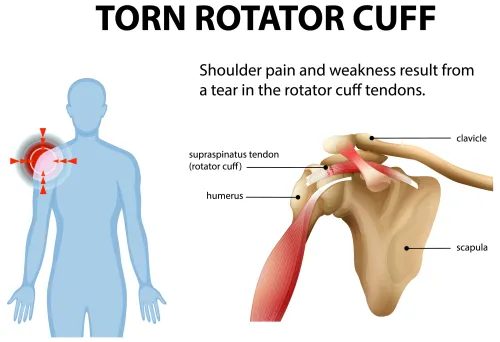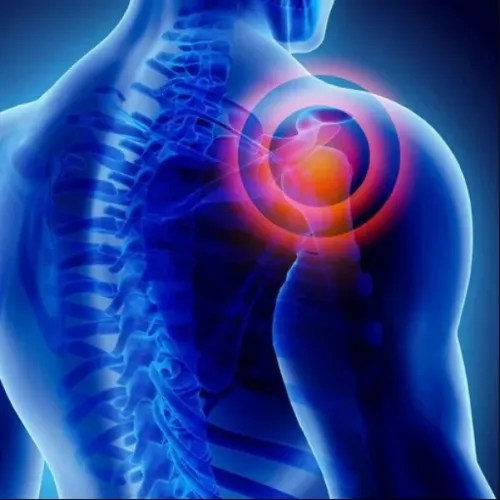
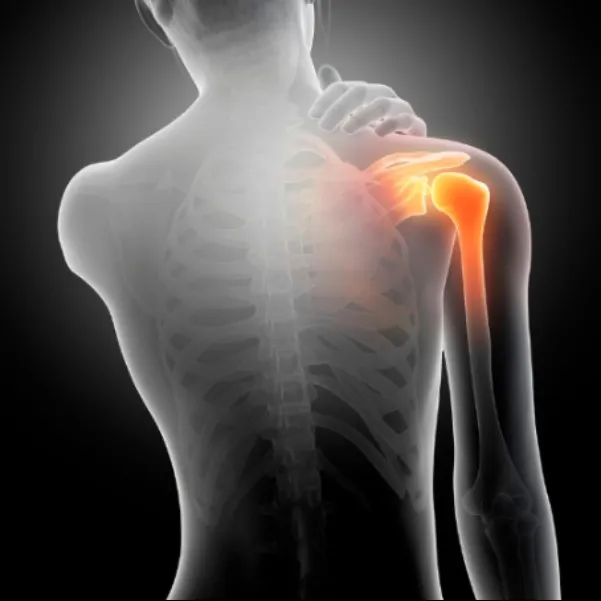
Shoulder instability, clicking, catching, or persistent pain after an injury can sometimes be related to damage to the labrum. When symptoms continue, patients may be advised to consider Labral Repair Treatment. Before choosing surgery, however, it is important to understand what the labrum does and whether the identified tear actually explains the symptoms.
The labrum is a rim of fibrocartilage around the shoulder socket. It contributes to stability and provides attachment points for important structures around the joint. Labral injuries can occur through dislocation, repetitive overhead activity, falls, traction injuries, or sporting movements.
Different types of labral tears can produce different clinical problems. This is why the term “labral tear” alone does not establish the correct treatment.
A detailed evaluation should consider symptoms such as:
- Recurrent shoulder instability
- Previous dislocation
- Pain during overhead movement
- Clicking or catching
- Reduced sporting performance
- Persistent symptoms after an injury
Clinical examination and imaging may be used to determine whether the labrum is likely to be the source of the problem.
For some patients, structured rehabilitation can be appropriate. Physiotherapy may focus on shoulder stability, muscle control, movement patterns, and gradual return to activity.
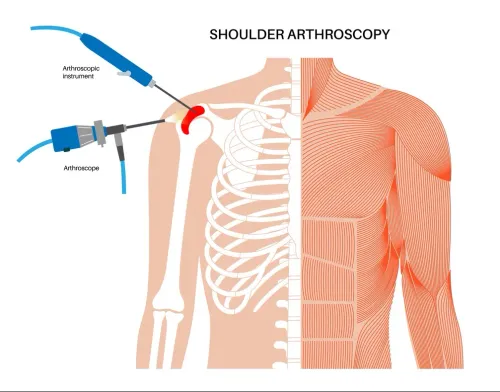
Surgical repair becomes a consideration in selected cases where instability or functionally significant symptoms persist and the structural injury is suitable for repair.
Patients evaluating shoulder surgery in Mumbai should ask several practical questions before proceeding. What type of labral injury is present? Is instability part of the problem? Have reasonable non-surgical measures been attempted? What exactly will be repaired? What restrictions will apply after surgery?
These questions are particularly relevant for athletes in Mumbai and across Maharashtra involved in cricket, racquet sports, swimming, gym training, throwing activities, or other sports that place substantial demands on the shoulder.
Dr Dhirav Shah assesses labral injuries according to symptoms, instability, examination findings, imaging, previous treatment, and the patient's functional goals before discussing surgical options.
Recovery after labral repair requires patience because repaired tissue must heal. Rehabilitation generally progresses from protection and controlled movement toward strengthening and, when appropriate, sport-specific activity. The timeline depends on the repair and individual recovery.
Choosing a provider for labral repair should therefore involve more than finding someone who performs arthroscopic shoulder surgery. Patients need a clear diagnosis, explanation of alternatives, realistic rehabilitation plan, and treatment strategy suited to their activity requirements.
When shoulder instability, recurrent dislocation, or persistent mechanical symptoms continue despite appropriate care, a focused orthopaedic assessment can determine whether labral repair is a reasonable next step.
Keywords