

Posterior cruciate ligament injuries receive less attention than ACL injuries, but they can still significantly affect knee stability. Choosing appropriate PCL Treatment requires understanding the severity of the ligament injury and whether other structures have also been damaged.
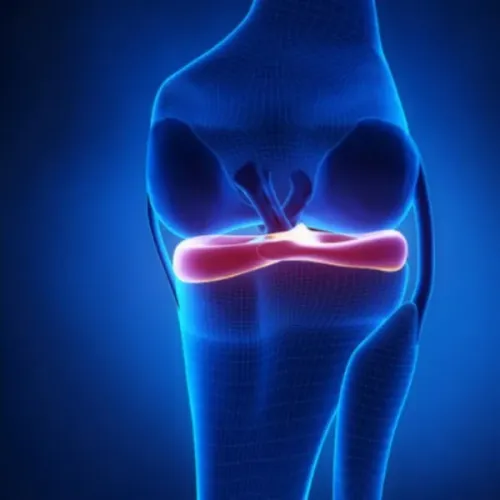
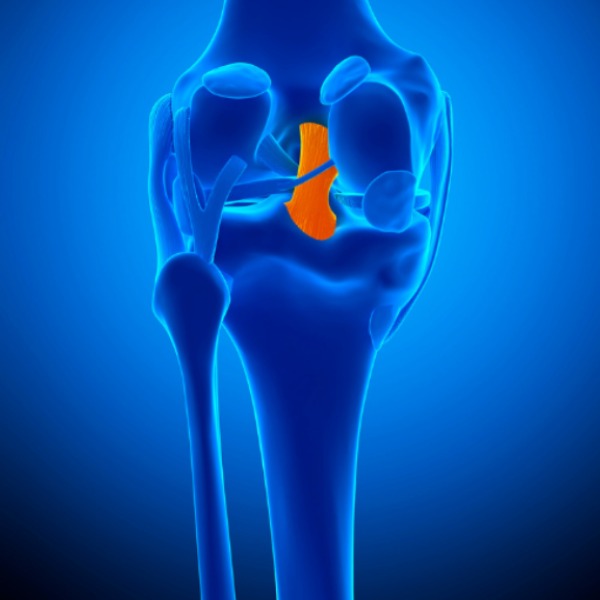
The PCL is located inside the knee and helps prevent the shin bone from moving excessively backward relative to the thigh bone. Injury can occur during sports, falls, or a force directed against the front of a bent knee.
Some PCL injuries can be treated without surgery. Others, particularly severe or combined ligament injuries, may require more extensive management.
Signs that justify an orthopaedic assessment include persistent swelling, difficulty walking normally, instability, pain during activity, or continuing symptoms after a significant knee injury.
Evaluation generally includes a history of how the injury happened, physical examination, and imaging when required. MRI can help assess the ligament and identify associated injuries, while X-rays may provide additional information depending on the mechanism of trauma.
For patients in Mumbai and Maharashtra, the decision between conservative and surgical care should be based on injury grade and functional needs rather than simply the presence of a ligament tear.
Non-operative management may include:
- Initial protection of the injured knee
- Swelling and pain management
- Appropriate bracing when indicated
- Restoration of knee movement
- Progressive muscle strengthening
- Functional rehabilitation
Quadriceps strength can be particularly important in PCL rehabilitation because of its role in knee control.
Surgery may be considered when there is substantial instability, certain high-grade injuries, multiple damaged ligaments, or ongoing functional problems despite appropriate rehabilitation.
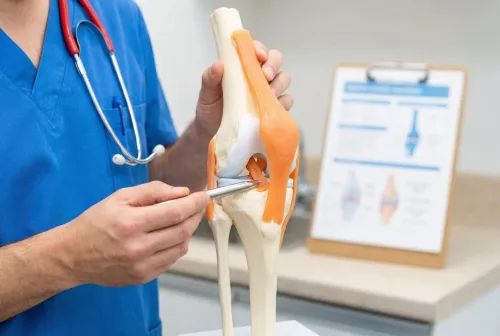
Dr Dhirav Shah evaluates ligament injuries by considering stability, associated damage, imaging findings, occupation, sport participation, and individual activity requirements before recommending a treatment pathway.
For athletes, returning to sport should be based on functional recovery rather than pain reduction alone. Strength, stability, movement quality, and sport-specific demands all need consideration.
Ignoring continuing instability can make demanding movements difficult and may alter how the knee handles load. At the same time, not every PCL injury benefits from surgery.
This makes accurate classification particularly valuable. Patients who have experienced a significant knee impact or continue to feel instability after an injury can use an orthopaedic assessment to establish the grade of damage, identify associated injuries, and determine whether structured rehabilitation or surgical treatment is the more appropriate option.