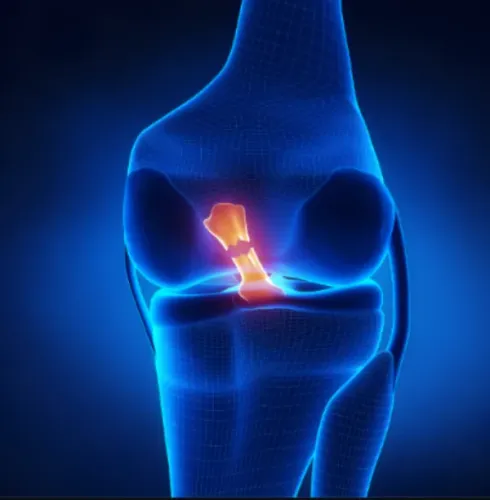


A meniscus tear can occur during sports, a twisting injury, or as part of age-related changes in the knee. Once a tear is identified, patients often assume that the damaged portion simply needs to be removed. Modern Meniscus Treatment, however, depends on several characteristics of the tear and the individual knee.
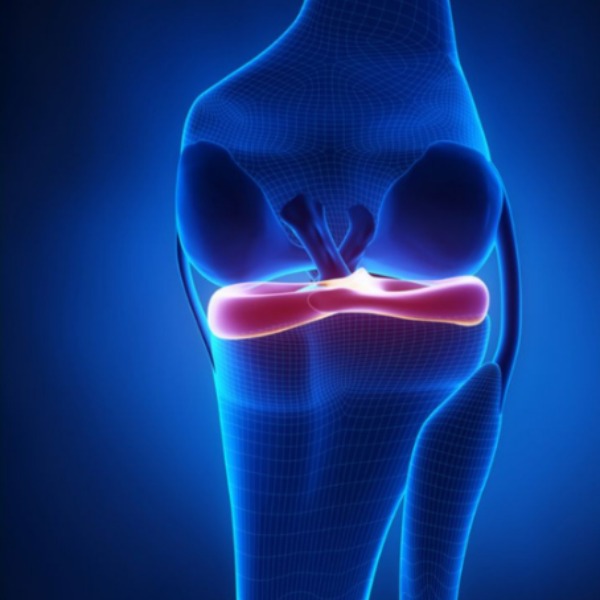
Each knee has two menisci—crescent-shaped structures that help distribute load and contribute to joint stability. Preserving useful meniscal tissue can therefore be important for long-term knee function.
Treatment options can include rehabilitation, meniscus repair, or selective removal of an unstable damaged portion when appropriate. The decision is not based solely on whether an MRI report uses the words “meniscus tear.”
Important factors include:
- Tear location
- Tear pattern and size
- Blood supply to the affected area
- Patient age and activity level
- Whether the injury is recent or longstanding
- Associated ACL or cartilage injury
- Presence of locking or mechanical symptoms
Some tears can be managed without surgery, particularly when symptoms are improving and the knee remains functional. Physiotherapy may focus on movement, strength, swelling control, and gradual return to activity.
When surgery is considered, preserving the meniscus through repair may be desirable when the tear has suitable healing potential. Repair generally requires more protection during recovery because the tissue needs time to heal.
In other situations, a damaged fragment may not be suitable for repair. Arthroscopic treatment may then involve removing only the unstable portion while preserving as much functional tissue as reasonably possible.
This difference is particularly relevant for younger and active patients in Mumbai and across Maharashtra who are concerned about returning to sport while also protecting long-term knee health.
Dr Dhirav Shah evaluates meniscus injuries in the context of symptoms, physical examination, MRI findings, knee stability, and activity expectations rather than relying on imaging terminology alone.
One important point is that MRI findings and symptoms do not always correspond perfectly. Some meniscal changes can appear on imaging without being the primary reason for knee pain. Clinical correlation is therefore essential.
Patients comparing meniscus treatment options should ask whether their tear needs intervention, whether it is potentially repairable, and how each option would affect rehabilitation.
The goal is not simply to “fix an MRI.” It is to identify the source of symptoms, preserve useful knee structures where appropriate, restore function, and choose an intervention proportionate to the injury.