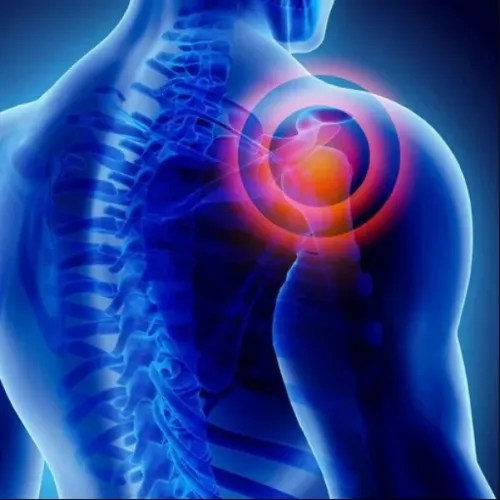


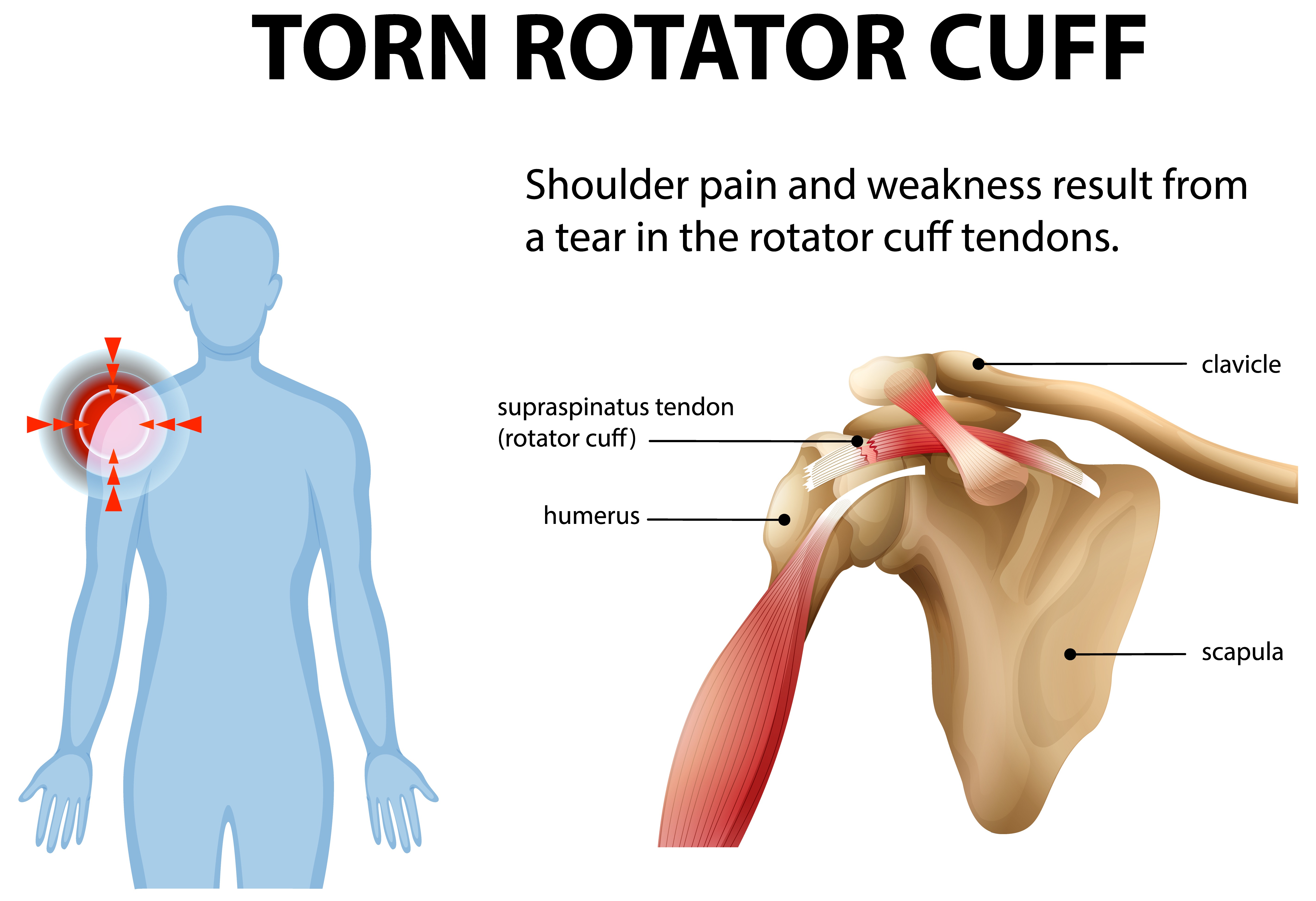
A rotator cuff tear can range from a relatively small tendon injury to a substantial tear that causes weakness and loss of shoulder function. Because these injuries vary widely, Rotator Cuff Tear Treatment should be selected according to the characteristics of the tear rather than following a single standard approach.
The rotator cuff is a group of tendons that helps stabilise the shoulder and enables controlled arm movement. Tears may develop after an injury or gradually through degenerative changes.
Common concerns include pain when lifting the arm, night discomfort, weakness, difficulty reaching overhead, and reduced ability to perform work or sporting activities.
When selecting treatment, an orthopaedic assessment may consider:
- Whether the tear is partial or full thickness
- Size and location of the tear
- Whether symptoms followed an acute injury
- Degree of shoulder weakness
- Tendon and muscle quality
- Patient age and activity level
- Occupational requirements
- Response to physiotherapy or other treatment
Not every rotator cuff tear requires surgery.
For selected patients, physiotherapy can improve shoulder mechanics, strength, and function. Pain management and activity modification may also form part of conservative care. This can be particularly relevant when symptoms are manageable and functional weakness is limited.
Surgical repair may receive greater consideration for certain traumatic tears, substantial functional weakness, suitable repairable tears, or symptoms that remain limiting despite appropriate non-operative treatment.
For patients searching for rotator cuff treatment in Mumbai, Maharashtra, provider selection should therefore focus on diagnostic reasoning rather than promises of one particular procedure.
Dr Dhirav Shah evaluates shoulder symptoms alongside examination findings and appropriate imaging to determine whether rehabilitation or surgical repair is better aligned with the patient's condition.
If repair is recommended, understanding rehabilitation is essential before proceeding. Tendon healing takes time. Patients may initially need to protect the repair before progressively restoring movement and strength. Returning prematurely to lifting or strenuous activity can place unnecessary stress on healing tissue.
Useful questions during consultation include whether the tear is responsible for the current symptoms, whether it is likely to progress, whether repair is technically appropriate, and what functional improvement the proposed treatment is intended to achieve.
Patients should also mention their occupation and activity goals. Someone performing repetitive overhead work may have different functional requirements from someone whose routine activities place relatively little demand on the shoulder.
A well-planned treatment pathway balances the structural injury with symptoms, function, healing potential, and individual goals. That approach helps determine when conservative treatment remains reasonable and when surgical repair deserves serious consideration.