Shoulder stiffness is sometimes dismissed as something that will disappear with rest. A true frozen shoulder can behave differently. Pain may gradually be followed by substantial restriction of movement, making routine activities such as dressing, reaching overhead, fastening clothing, or sleeping comfortably increasingly difficult.
Frozen Shoulder Treatment is planned according to the stage of the condition, severity of symptoms, and degree of movement restriction.
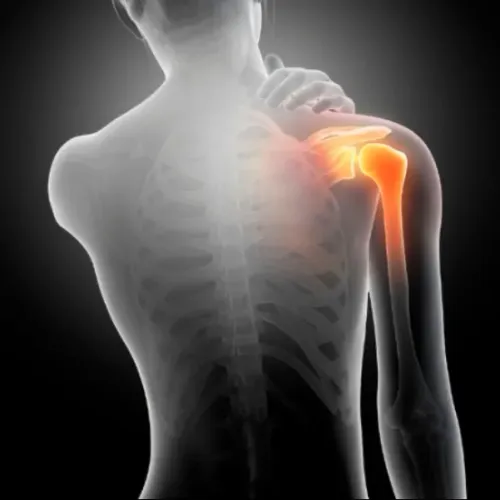
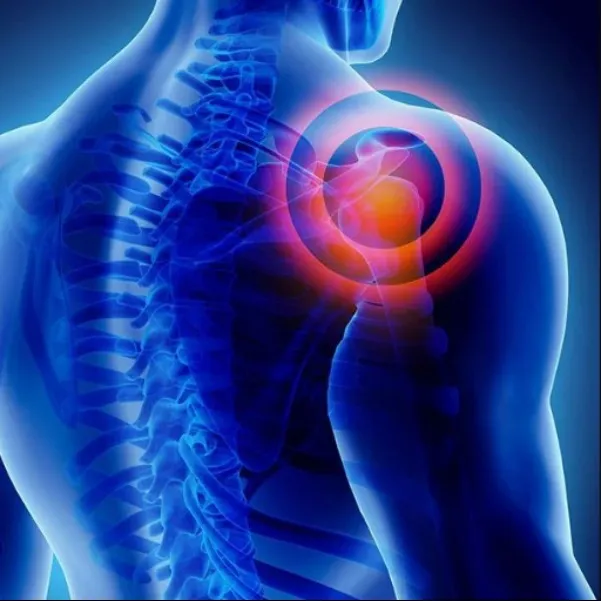
Frozen shoulder, medically called adhesive capsulitis, involves inflammation and tightening of the capsule surrounding the shoulder joint. It often develops gradually rather than following one obvious injury.
Typical symptoms include:
- Increasing shoulder pain
- Progressive stiffness
- Difficulty reaching overhead
- Restricted ability to reach behind the back
- Night discomfort
- Reduced active and passive shoulder movement
One reason specialist evaluation can be useful is that several shoulder conditions cause pain but require different management. Rotator cuff problems, arthritis, and other disorders may produce symptoms that patients initially describe as frozen shoulder.
Treatment usually begins conservatively. Depending on the individual case, management may include pain control, guided exercises, physiotherapy, and other interventions selected after evaluation.
The intensity and timing of exercises matter. Aggressive stretching during a highly painful phase is not automatically better. Rehabilitation should correspond to the stage and irritability of the shoulder.
For patients in Mumbai, Maharashtra, delayed attention can create practical problems when shoulder restriction interferes with commuting, computer work, household tasks, driving, or occupational activities.
Most cases do not immediately require surgery. However, persistent severe restriction despite an adequate course of appropriate conservative treatment may prompt consideration of additional interventions.
Dr Dhirav Shah assesses shoulder movement, symptom pattern, duration, associated health factors, and relevant imaging when required before recommending a management plan.
Patients considering treatment should be prepared to discuss when symptoms started, whether stiffness or pain appeared first, which movements are restricted, and what treatments have already been attempted.
Recovery can take time, and improvement is often progressive rather than immediate. The treatment objective is to manage pain appropriately while restoring useful shoulder movement without unnecessarily aggravating symptoms.
The important readiness indicator for orthopaedic assessment is not simply having shoulder pain. It is persistent pain accompanied by meaningful restriction in multiple directions, particularly when everyday activities are becoming difficult.
Identifying whether the problem is genuinely adhesive capsulitis helps avoid treating every painful shoulder in the same way and provides a clearer path toward restoring comfortable movement
Keywords