

A kneecap that repeatedly slips out of position can cause more than temporary pain. Recurrent episodes may reduce confidence in the knee, interfere with sport, and potentially contribute to cartilage injury. Understanding Patellar Instability Treatment starts with identifying why the kneecap is unstable.
The patella normally moves within a groove at the front of the knee as the leg bends and straightens. A dislocation occurs when it moves out of its normal position, commonly toward the outside of the knee.
After a first episode, treatment may sometimes involve bracing, activity modification, swelling management, and physiotherapy. Rehabilitation commonly focuses on restoring movement and improving muscular control around the knee and hip.
Recurrent instability creates a different treatment question.
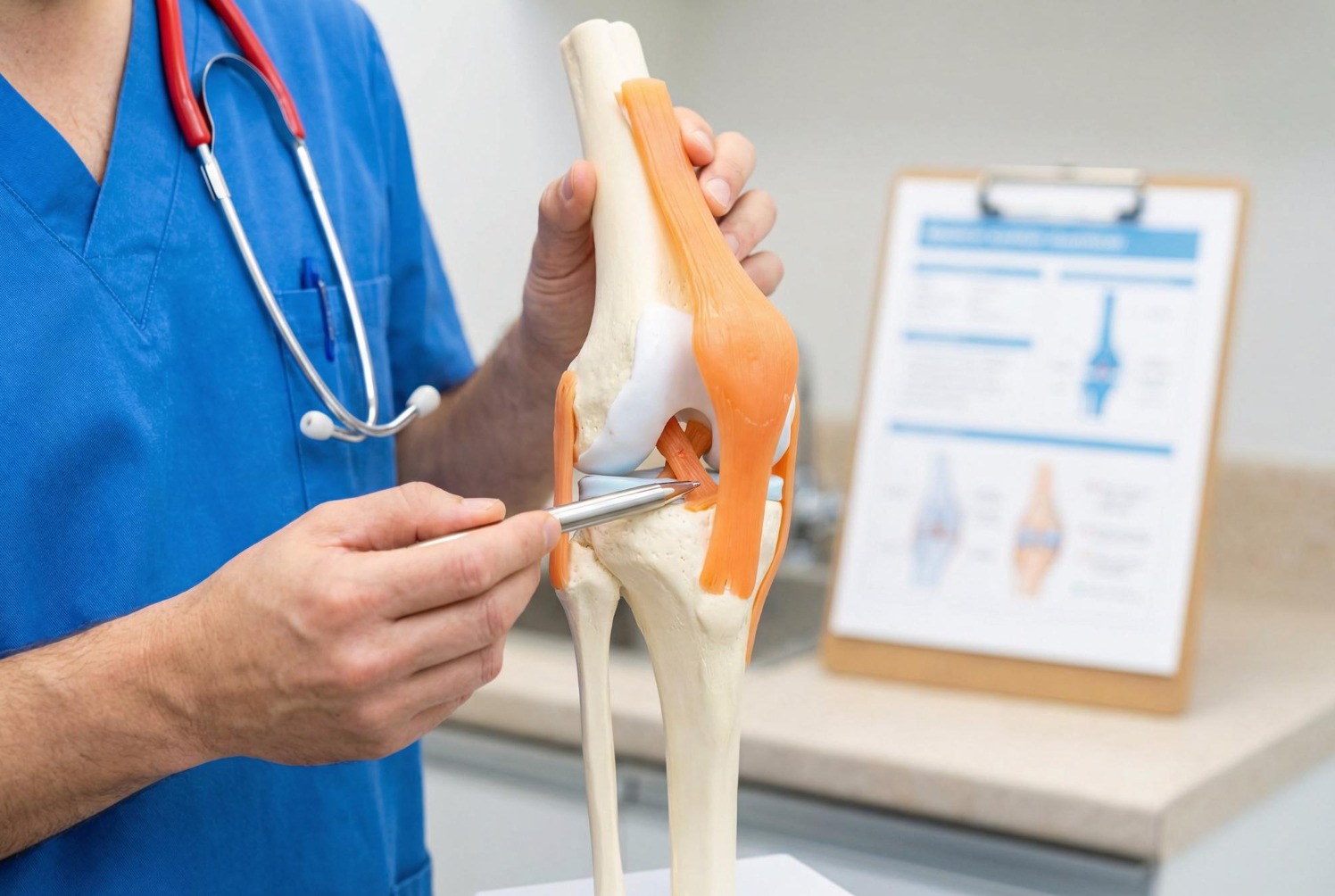
An orthopaedic assessment may evaluate:
- Number of previous dislocations
- Age when instability began
- Ligament injury
- Alignment of the kneecap
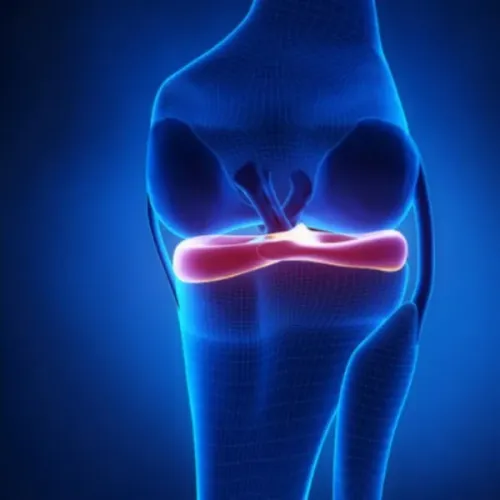
- Shape of the underlying bone
- Limb alignment
- Cartilage damage
- Activity and sporting requirements
This explains why two patients with recurrent kneecap dislocation may receive different recommendations.
For active patients in Mumbai, Maharashtra, repeated instability can be particularly disruptive because unpredictable giving-way episodes may make running, turning, stairs, and sports difficult. Some people begin consciously avoiding activities because they fear another dislocation.
When conservative management does not provide adequate stability, surgery may be considered. The procedure must address the underlying reason for instability rather than treating every patient with the same operation.
Soft-tissue stabilisation may be appropriate in certain cases, while significant anatomical abnormalities can require different or additional procedures. Imaging and measurements therefore have an important role in surgical planning.
Dr Dhirav Shah assesses recurrent patellar instability by considering the history of dislocation, knee anatomy, ligament condition, cartilage health, and functional requirements.
Patients should also understand that treatment is not complete immediately after stabilisation surgery. Rehabilitation is needed to restore movement, strength, balance, and confidence before progressively returning to demanding activities.
A useful assessment should ultimately answer why the kneecap keeps dislocating. Is the primary issue damaged stabilising tissue, underlying anatomy, alignment, or a combination of factors?
Identifying that cause is particularly important before recurrent episodes create further problems. For someone experiencing repeated kneecap dislocation or persistent instability after an earlier episode, a detailed evaluation can clarify whether structured rehabilitation remains appropriate or whether surgical stabilisation should be considered.