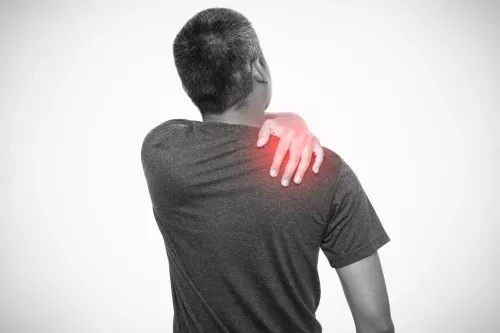
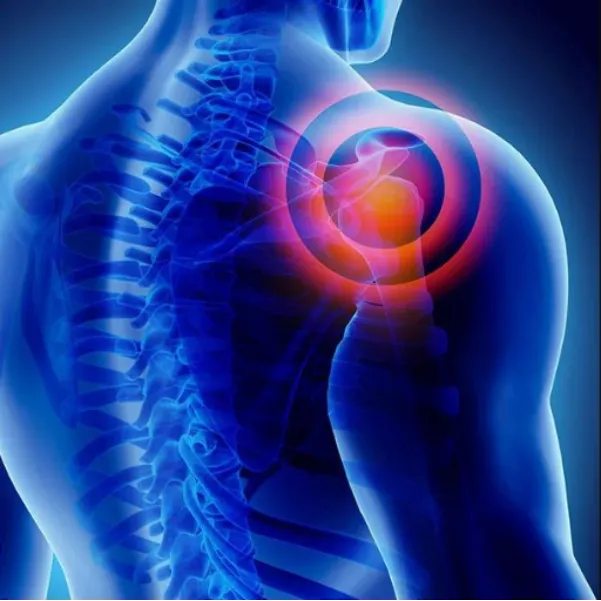
A shoulder that gradually becomes stiff and painful can make simple daily activities surprisingly difficult. Reaching for a shelf, fastening a seatbelt, combing your hair, or putting on a shirt may become challenging over time. This condition, commonly known as frozen shoulder, develops gradually and often worsens if left untreated. Understanding Frozen Shoulder Treatment can help restore movement and reduce discomfort before stiffness becomes severe.
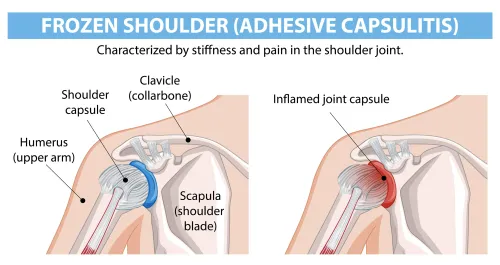
Frozen shoulder, medically called adhesive capsulitis, occurs when the capsule surrounding the shoulder joint becomes thickened and tight. As a result, movement becomes restricted and pain may increase, particularly during the early stages. Although anyone can develop frozen shoulder, it is more common among people between the ages of 40 and 60, especially those with diabetes, thyroid disorders, or a history of prolonged shoulder immobilization.
How Does Frozen Shoulder Progress?
The condition generally develops in three stages.
Freezing Stage
Pain gradually increases, and shoulder movement becomes more limited. Everyday activities may start feeling uncomfortable.
Frozen Stage
Pain may reduce slightly, but stiffness becomes more noticeable. Reaching overhead or behind the back becomes increasingly difficult.
Thawing Stage
With appropriate treatment and rehabilitation, shoulder movement gradually improves over several months.
Understanding these stages helps patients set realistic expectations during recovery.
Treatment Options That May Help
The goal of Frozen Shoulder Treatment is to reduce pain while improving shoulder mobility.
Depending on the stage of the condition, treatment may include:
- Anti-inflammatory medications when prescribed
- Supervised physiotherapy
- Stretching exercises
- Home mobility programs
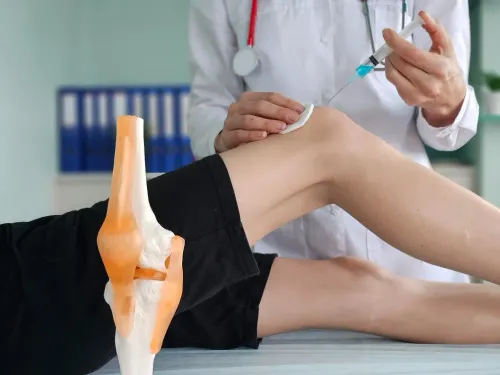
- Corticosteroid injections in selected cases
- Arthroscopic release for severe cases that do not improve with conservative care
Every treatment plan is based on the patient's symptoms, medical history, and shoulder function.
Can Frozen Shoulder Be Prevented?
While every case cannot be prevented, certain measures may reduce the risk.
These include:
- Beginning gentle shoulder exercises after injuries when medically advised
- Following rehabilitation after shoulder surgery
- Managing diabetes effectively
- Avoiding prolonged shoulder immobilization without medical guidance
Early intervention often leads to better outcomes and shorter recovery periods.
Mumbai's active lifestyle means many individuals seek orthopedic care before shoulder stiffness begins affecting work and daily life. Dr Dhirav Shah evaluates the underlying cause of shoulder restriction before recommending Frozen Shoulder Treatment, ensuring that each patient receives a personalized approach based on clinical findings rather than symptoms alone.
Restoring shoulder movement takes patience and consistent rehabilitation, but timely medical guidance can make everyday activities comfortable again while improving long-term shoulder health.
Keywords