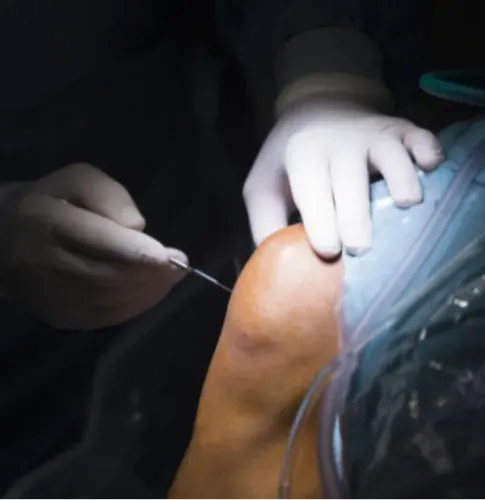


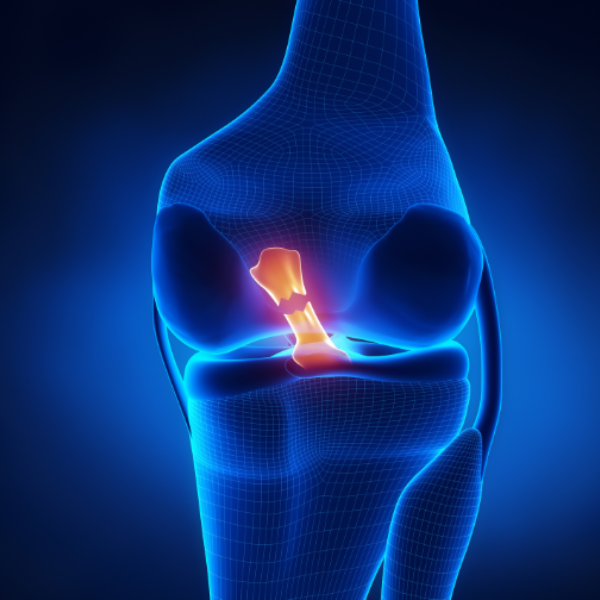
An anterior cruciate ligament (ACL) injury is one of the most common knee injuries, especially among people who participate in sports or physically demanding activities. A sudden twist, awkward landing, or direct impact can cause the ligament to stretch or tear, leading to pain, swelling, and instability. While many people immediately assume surgery is the only answer, ACL Treatment depends on several factors, including the severity of the injury, lifestyle, and future activity goals.
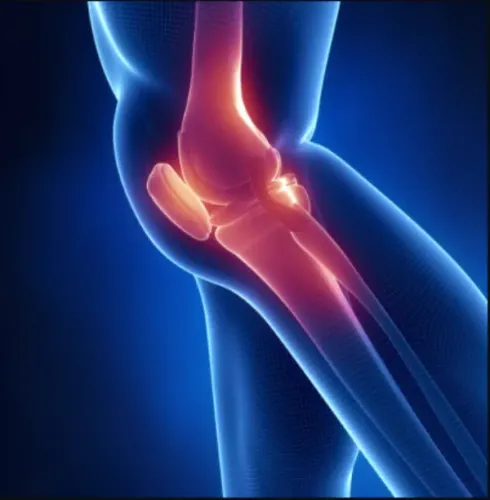
The ACL is one of the key ligaments that stabilizes the knee joint. When it is damaged, the knee may feel as though it is 'giving way' during walking, running, or changing direction. Prompt evaluation by an orthopedic specialist is important because untreated instability can increase the risk of further cartilage or meniscus damage.
What Are the Symptoms of an ACL Injury?
Many patients experience similar symptoms shortly after the injury.
- A popping sensation at the time of injury
- Rapid swelling around the knee
- Pain while bearing weight
- Difficulty walking normally
- A feeling of instability during movement
- Reduced range of motion
These symptoms can also occur with other knee injuries, so a proper examination and imaging studies are necessary for an accurate diagnosis.
Can an ACL Tear Heal Without Surgery?
Not every ACL injury requires surgical reconstruction. Some partial tears and injuries in individuals with lower physical demands may be managed through conservative treatment.
Non-surgical management often includes:
- Rest and activity modification
- Physiotherapy to strengthen surrounding muscles
- Knee bracing when appropriate
- Balance and stability exercises
- Gradual return to daily activities
For athletes or people whose work requires frequent pivoting, jumping, or rapid movement, surgery may be recommended to restore knee stability.
When Is Surgery Considered?
Orthopedic specialists may recommend ACL reconstruction when:
- The ligament is completely torn.
- The knee repeatedly gives way.
- There are associated meniscus or cartilage injuries.
- The patient wants to return to competitive sports.
- Daily activities remain difficult despite rehabilitation.
The decision is individualized rather than based on age alone.
Recovery After ACL Treatment
Recovery is a structured process that focuses on restoring strength, flexibility, and confidence in knee movement.
A rehabilitation plan generally includes:
- Swelling and pain management
- Gradual range-of-motion exercises
- Muscle strengthening
- Balance and coordination training
- Functional exercises before returning to sports or demanding work
Recovery timelines vary depending on the treatment approach and patient commitment to rehabilitation.
Mumbai has excellent orthopedic facilities offering comprehensive assessment and rehabilitation for ligament injuries. Dr Dhirav Shah carefully evaluates each patient's condition before recommending the most appropriate ACL Treatment. A personalized approach helps patients understand their options and supports a safe return to everyday activities with improved knee stability.