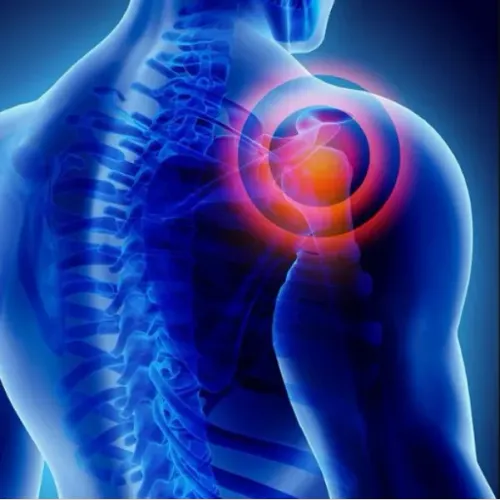



The shoulder relies on a group of muscles and tendons known as the rotator cuff to provide strength and stability during everyday movement. Whether lifting groceries, reaching overhead, or participating in sports, these structures work together to keep the shoulder functioning smoothly. When one or more of these tendons become damaged, Rotator Cuff Tear Treatment may be necessary to restore comfort and function.
Rotator cuff tears may develop suddenly after an injury or gradually due to repetitive overhead activities and natural age-related degeneration. Many people initially mistake the symptoms for ordinary shoulder strain, delaying treatment until the condition begins interfering with daily life.
Common Symptoms of a Rotator Cuff Tear
A rotator cuff injury often presents with:
- Pain while lifting the arm
- Difficulty reaching overhead
- Weakness in the affected shoulder
- Shoulder pain during the night
- Clicking or catching sensations
- Reduced range of motion
Persistent symptoms should be evaluated by an orthopedic specialist to determine the extent of tendon damage.
How Is the Condition Diagnosed?
A thorough diagnosis usually includes:
- Discussion of symptoms and medical history
- Physical examination
- Strength and movement assessment
- Imaging studies such as X-rays or MRI when required
Accurate diagnosis helps identify whether the tear is partial or complete and guides the most appropriate treatment plan.
Treatment Options
Many partial tears respond well to conservative management.
This may include:
- Activity modification
- Physiotherapy
- Pain management
- Strengthening exercises
- Anti-inflammatory medication under medical supervision
Surgical repair may be recommended when:
- The tendon is completely torn
- Shoulder weakness significantly affects daily activities
- Conservative treatment fails
- The patient wishes to return to demanding physical activity
Rehabilitation Is the Key to Recovery
Whether treated surgically or non-surgically, rehabilitation remains essential.
Recovery programs commonly focus on:
- Restoring shoulder mobility
- Improving muscle strength
- Preventing stiffness
- Gradually returning to work, sports, and recreational activities
Each patient's recovery timeline varies according to the severity of the injury and overall health.
Mumbai offers advanced orthopedic care for tendon injuries using modern diagnostic and surgical techniques. Dr Dhirav Shah carefully assesses every patient before recommending Rotator Cuff Tear Treatment, ensuring that management is tailored to individual functional needs. Early diagnosis combined with structured rehabilitation can significantly improve shoulder strength, movement, and overall quality of life.