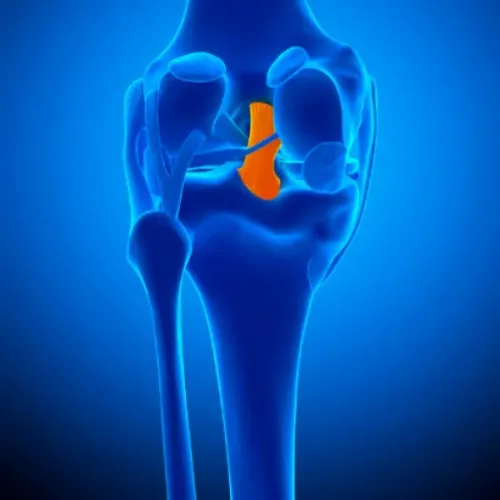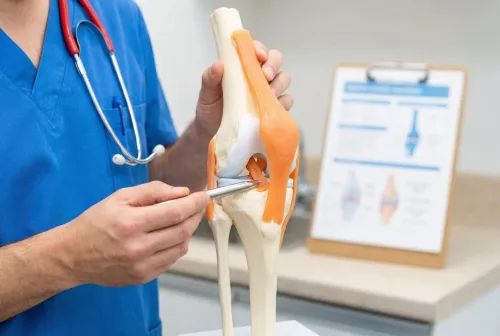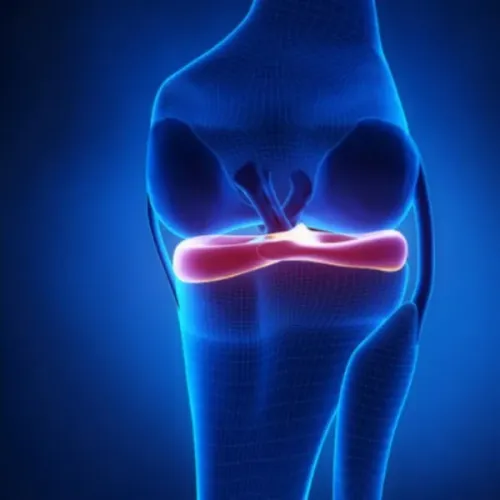
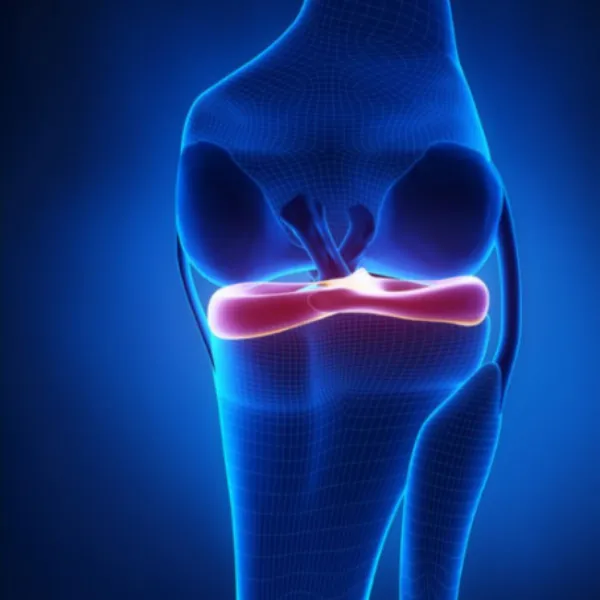
The meniscus is a C-shaped piece of cartilage that acts as a cushion between the thigh bone and shin bone. Each knee has two menisci that help absorb shock, stabilize the joint, and distribute body weight evenly. A tear in the meniscus can occur during sports, sudden twisting movements, or even everyday activities in older adults due to age-related wear. Understanding the right Meniscus Treatment at the right time can help preserve knee function and reduce the risk of long-term joint damage.
Many people initially ignore knee pain, assuming it will improve with rest. However, a meniscus injury may worsen if left untreated, especially when the tear interferes with normal joint movement. Whether the injury is minor or severe, an early orthopedic evaluation helps determine the most appropriate treatment plan.
How Can You Recognize a Meniscus Tear?
Symptoms vary depending on the location and severity of the tear, but common signs include:
- Pain along the knee joint line
- Swelling that develops within a day or two
- Difficulty bending or straightening the knee
- A locking or catching sensation
- Knee stiffness
- Pain during squatting or twisting movements
These symptoms may resemble other knee injuries, making an accurate diagnosis essential.
Are All Meniscus Tears Treated the Same Way?
Treatment depends on several factors, including:
- The size and location of the tear
- The patient's age
- Activity level
- Knee stability
- Presence of arthritis or ligament injuries
Smaller tears located in areas with good blood supply may heal with conservative care, while larger or unstable tears may require surgical intervention.
Non-Surgical and Surgical Options
Conservative treatment often includes:
- Rest and temporary activity modification
- Ice application to reduce swelling
- Anti-inflammatory medication when advised
- Physiotherapy to strengthen surrounding muscles
- Gradual return to activity
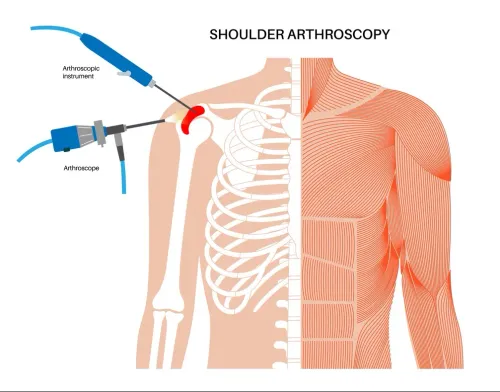
If symptoms continue or the knee repeatedly locks, arthroscopic surgery may be recommended to repair or remove the damaged portion while preserving as much healthy cartilage as possible.
Why Prompt Treatment Matters
The meniscus protects the knee joint from excessive wear. Delayed treatment may increase pressure on the cartilage, raising the likelihood of early osteoarthritis. Timely intervention helps maintain joint health and supports better long-term mobility.
Patients in Mumbai often seek specialized orthopedic care because of active lifestyles, demanding work routines, and sports participation. Dr Dhirav Shah evaluates every case individually before recommending Meniscus Treatment. The objective is to preserve the natural knee structure whenever possible while helping patients regain confidence in daily movement through a carefully planned rehabilitation program.
Keywords