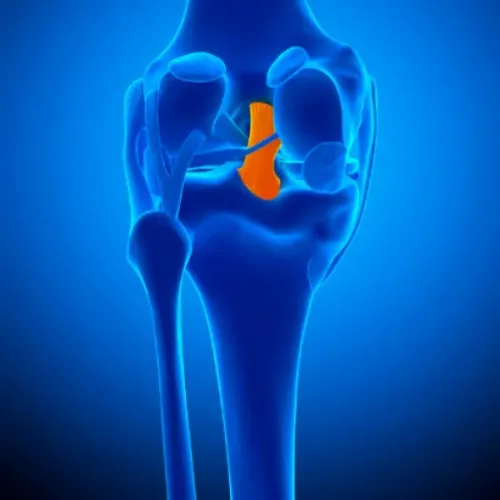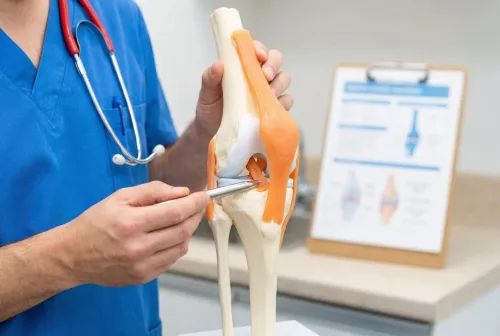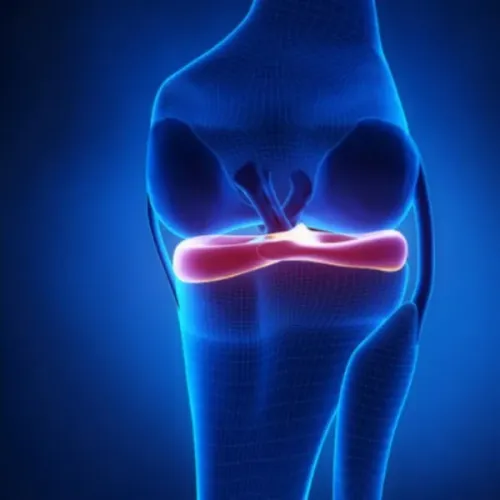


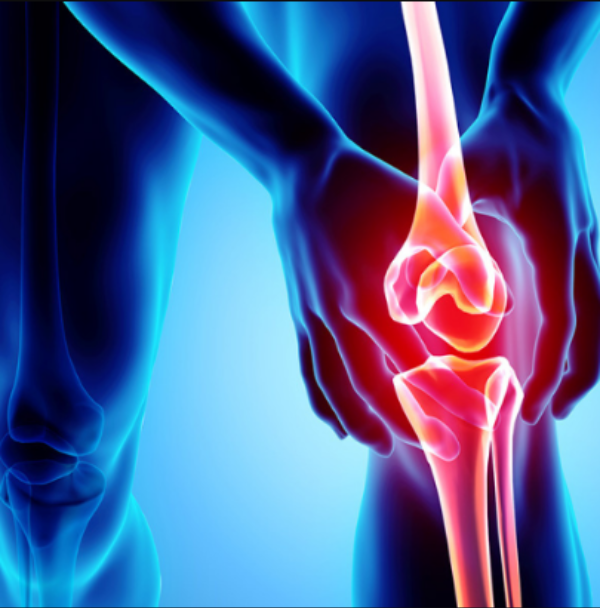
If your kneecap feels like it slips out of place during movement, you may be experiencing patellar instability. This condition affects the normal tracking of the kneecap within the groove of the thigh bone and can lead to repeated dislocations, pain, and difficulty with physical activities. Understanding Patellar Instability Treatment can help prevent recurring injuries and protect long-term knee function.
Patellar instability commonly affects teenagers, young adults, athletes, and individuals with certain anatomical variations. While some episodes occur after trauma, others happen because of naturally loose ligaments or alignment issues that make the kneecap less stable.
Ignoring repeated instability may increase the risk of cartilage damage and early joint degeneration.
Common Symptoms of Patellar Instability
People with this condition may experience:
- A feeling that the kneecap is moving out of place
- Knee pain during activity
- Swelling after an episode
- Difficulty climbing stairs
- Weakness around the knee
- Fear of sudden knee movement
Some patients experience complete dislocation, while others notice repeated partial slips known as subluxations.
Why Does the Kneecap Become Unstable?
Several factors can contribute to instability.
These include:
- Sports injuries
- Loose ligaments
- Muscle weakness
- Abnormal kneecap alignment
- Previous dislocations
- Structural variations of the knee joint
A detailed orthopedic examination helps identify the exact cause before treatment is planned.
Treatment Options
The appropriate treatment depends on the severity and frequency of instability.
Non-surgical care may include:
- Physiotherapy
- Muscle strengthening exercises
- Activity modification
- Knee braces when required
Surgical treatment may be considered for patients with repeated dislocations, significant structural abnormalities, or persistent instability despite rehabilitation.
Recovery and Prevention
Recovery focuses on improving knee stability and reducing the chance of future dislocations.
Rehabilitation generally includes:
- Strengthening the quadriceps and hip muscles
- Improving balance and coordination
- Restoring full knee movement
- Functional training for sports or daily activities
Patients who complete rehabilitation carefully often achieve better long-term knee stability.
Mumbai's orthopedic specialists frequently manage patellar instability in both athletes and non-athletes. Dr Dhirav Shah provides individualized assessment for Patellar Instability Treatment by identifying the underlying cause rather than simply addressing the symptoms. A personalized treatment strategy helps patients regain confidence in movement while protecting the knee from repeated injuries.