

An ACL injury often happens quickly—a sudden change of direction, awkward landing, twisting movement, or sports-related incident can leave the knee painful and unstable. Once the initial swelling settles, many patients naturally wonder whether ACL Treatment always requires surgery.
The answer depends on the injury and the individual.
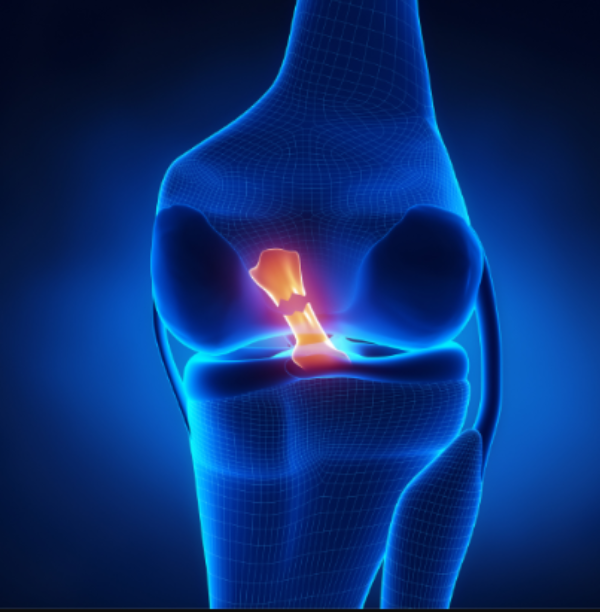
The anterior cruciate ligament, or ACL, helps control knee stability, particularly during pivoting and rotational movements. An injury may range from a partial tear to a complete rupture and can sometimes occur alongside meniscus, cartilage, or other ligament injuries.
Symptoms can include swelling, pain, reduced movement, and a sensation that the knee gives way. Some people remember hearing or feeling a “pop” at the time of injury.
Treatment planning generally considers:
- Whether the ACL tear is partial or complete
- Degree of knee instability
- Associated knee injuries
- Patient age and general health
- Type of work performed
- Sporting and activity goals
- Response to rehabilitation
Non-surgical management may be appropriate for selected individuals, particularly when the knee remains functionally stable and the person's activities do not involve frequent pivoting or high-demand movements. Physiotherapy can focus on restoring movement, reducing swelling, and strengthening muscles that support the knee.
Surgical reconstruction may be considered when persistent instability limits activity, particularly for people wishing to return to sports involving cutting, turning, jumping, or rapid directional changes. Associated injuries can also influence the recommendation.
For athletes and active adults in Mumbai, Maharashtra, returning to sport is often a major concern. Return should not be based solely on the number of months since injury or surgery. Strength, movement control, functional testing, confidence, and the condition of the reconstructed ligament all matter.
Another common misconception is that surgery alone restores normal knee function. Rehabilitation is a major component of ACL recovery. It progresses through stages involving movement, strength, balance, neuromuscular control, running, agility, and sport-specific preparation when appropriate.
Dr Dhirav Shah evaluates ACL injuries according to knee stability, imaging findings, associated damage, and the patient's activity requirements before discussing suitable treatment options.
An ACL tear therefore does not produce an identical treatment plan for everyone. The central question is whether the injured knee can provide sufficient stability for the activities a patient needs or wants to perform. A structured assessment can help determine whether rehabilitation alone is reasonable or whether reconstruction should be considered.