

Not every knee problem requires joint replacement or major open surgery. Certain injuries and mechanical problems inside the knee may be assessed for Knee Arthroscopy Treatment, a minimally invasive surgical technique that allows an orthopaedic surgeon to examine and treat selected structures within the joint.
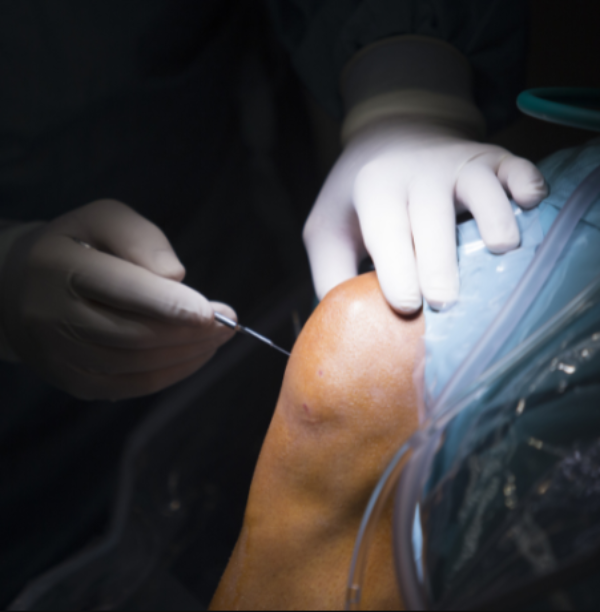
During knee arthroscopy, a small camera called an arthroscope is introduced through a small incision. Images from inside the knee help the surgeon inspect relevant structures, while additional small incisions may be used for surgical instruments when treatment is required.
Arthroscopy may be considered for selected conditions involving structures such as the meniscus, cartilage, or ligaments. Whether it is appropriate depends heavily on the diagnosis.
This distinction matters because arthroscopy is not a universal treatment for every form of knee pain. For example, a young person with a sports-related mechanical knee injury presents a different clinical situation from an older adult whose symptoms primarily arise from widespread degenerative arthritis.
Symptoms that may prompt further knee evaluation include:
- Locking or catching sensations
- Recurrent swelling
- Pain after twisting injuries
- Difficulty fully bending or straightening the knee
- A feeling that the knee gives way
- Persistent symptoms following a sports injury
The first step is identifying what is actually causing these symptoms. Clinical examination may be combined with X-rays, MRI, or other investigations when appropriate.
For active individuals across Mumbai, Maharashtra, a common concern is how quickly they can return to work, exercise, or sport following arthroscopy. Recovery varies considerably because “knee arthroscopy” describes a surgical approach rather than one specific procedure. A relatively limited procedure may have a different rehabilitation pathway from ligament reconstruction or meniscus repair.
The underlying treatment therefore matters more than the size of the incision.
Patients should also discuss whether rehabilitation alone could reasonably address their condition. Certain knee injuries respond well to structured physiotherapy, while others may require surgical intervention because of instability, mechanical symptoms, or the nature of the tissue damage.
Dr Dhirav Shah assesses knee injuries by correlating symptoms and examination findings with appropriate imaging before determining whether arthroscopy has a meaningful role.
For patients researching arthroscopic treatment, useful questions include what structure has been injured, whether it can heal without surgery, what the proposed procedure aims to accomplish, and what rehabilitation will involve. Understanding those points helps distinguish between simply having knee pain and having a specific knee condition for which arthroscopy may be appropriate.