

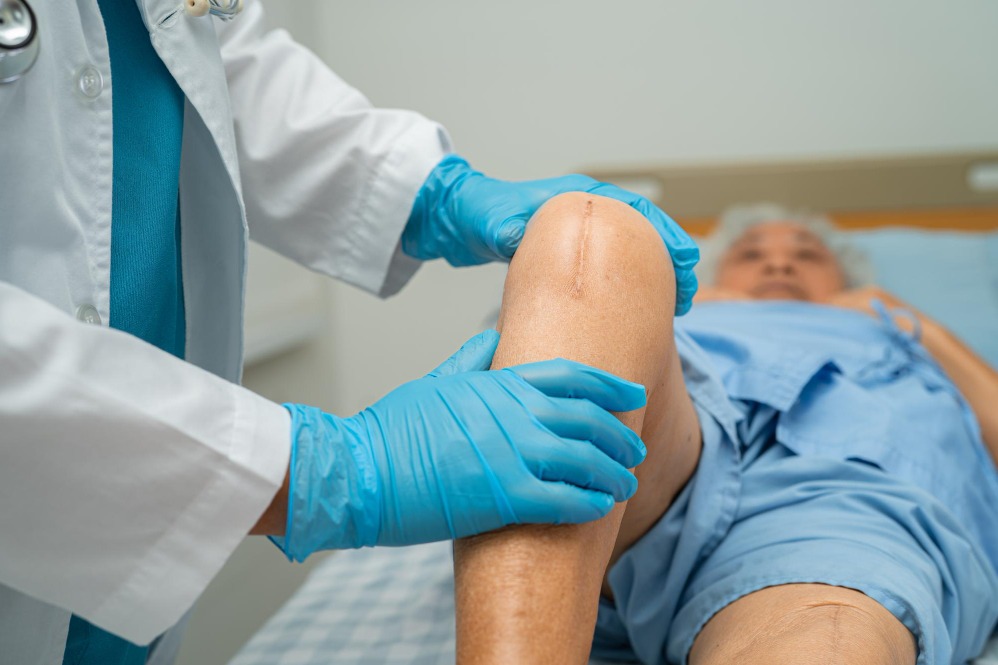
Knee pain can gradually change the way a person walks, climbs stairs, works, exercises, and even sleeps. While many knee problems can initially be managed with medicines, physiotherapy, activity modification, or other non-surgical measures, advanced joint damage may require a different approach. Knee Replacement Treatment is generally considered when significant knee damage is affecting everyday function and conservative treatment is no longer providing adequate relief.
People in Mumbai, Maharashtra, commonly seek an orthopaedic evaluation when knee pain becomes persistent rather than occasional. Osteoarthritis is one of the common reasons for progressive knee joint damage, although previous injuries, inflammatory joint conditions, and other structural problems can also affect the knee.
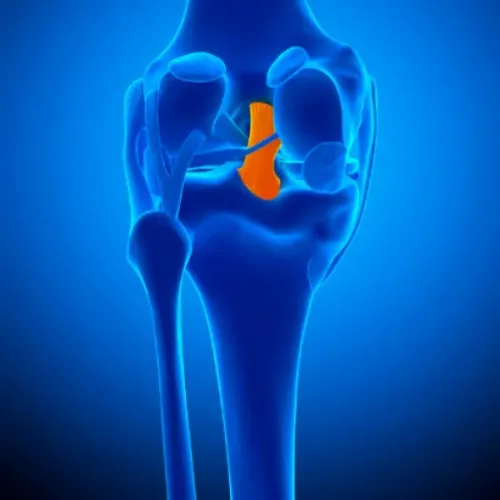
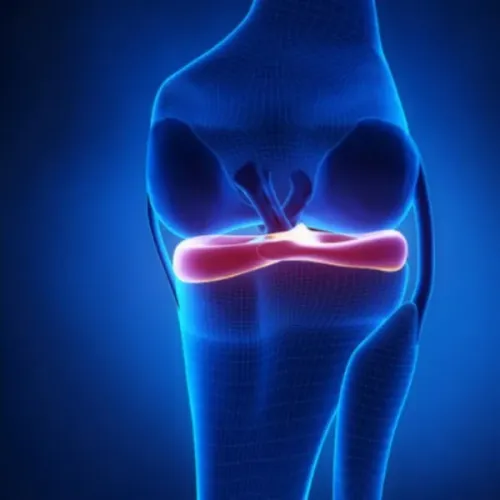
A knee replacement involves removing damaged portions of the joint surfaces and replacing them with artificial components designed to restore smoother joint movement. It does not mean that every person with knee arthritis requires surgery.
An orthopaedic assessment typically considers:
- The severity and location of knee pain
- Difficulty walking or climbing stairs
- Knee stiffness and restricted movement
- Changes in leg alignment
- Findings on X-rays or other investigations
- Response to previous non-surgical treatment
- Overall health and activity requirements
The decision is therefore based on more than an X-ray alone. Two people with similar imaging findings may experience very different levels of pain and disability.
Another important consideration is how much the knee problem interferes with daily life. Someone who has manageable discomfort during occasional strenuous activity may have different treatment requirements from someone who struggles with basic household movement or short-distance walking.
Before recommending surgery, the doctor may review whether suitable non-operative options have been adequately explored. These can include weight management where relevant, muscle strengthening, physiotherapy, pain management, and changes in activities that repeatedly aggravate the joint.
Patients evaluating knee replacement in Mumbai should also understand recovery expectations. Rehabilitation forms an important part of treatment. Early movement, exercises, progressive walking, and strengthening are usually planned according to the patient's condition and the surgeon's protocol.
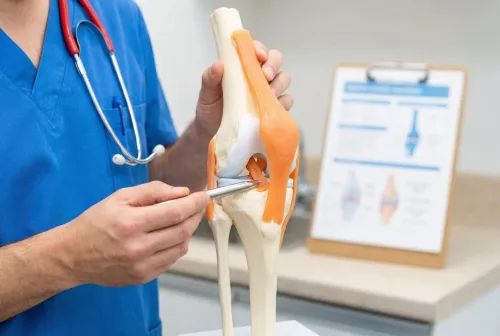
Dr Dhirav Shah evaluates knee problems by considering symptoms, joint damage, mobility, general health, and individual functional requirements before determining whether replacement surgery is appropriate.
The most useful question is not simply, “Do I have arthritis?” It is, “How severely is the damaged knee affecting my function, and which treatment is appropriate at this stage?” A detailed orthopaedic evaluation helps answer that question and allows patients to make an informed treatment decision.