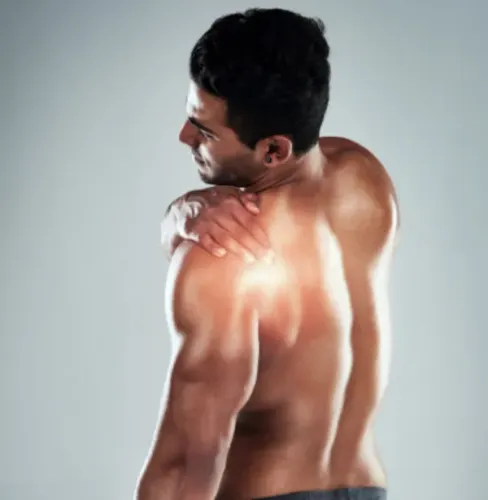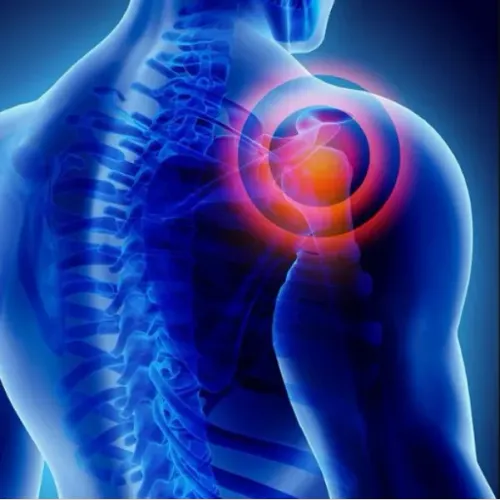


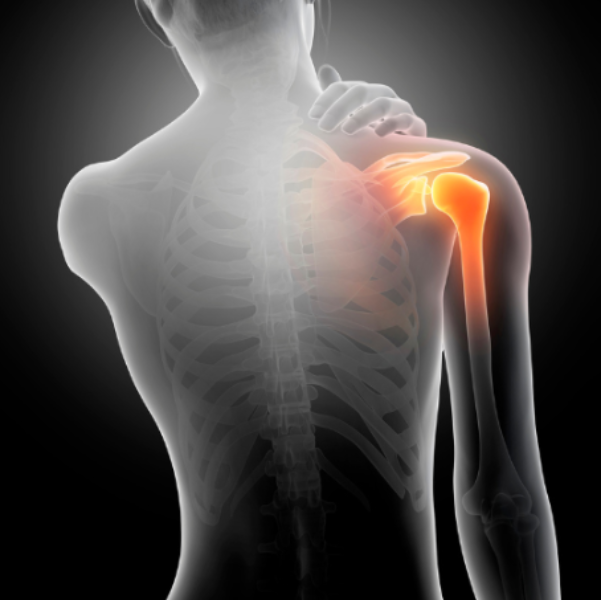
The shoulder is designed to provide exceptional mobility, allowing a wide range of movement for work, sports, and daily activities. To maintain stability, a ring of cartilage called the labrum surrounds the shoulder socket and helps keep the upper arm bone securely in place. When this cartilage becomes torn, Labral Repair Treatment may be considered to restore stability and improve shoulder function.
Labral tears commonly occur after shoulder dislocations, repetitive overhead activities, heavy lifting, or sports such as cricket, tennis, swimming, and weightlifting. Some tears develop gradually, while others result from a single traumatic injury.
Recognizing the symptoms early allows patients to seek timely orthopedic evaluation before repeated instability leads to further joint damage.
Symptoms That May Indicate a Labral Tear
Patients often report:
- Deep shoulder pain
- Clicking or popping sounds
- Shoulder instability
- Weakness during lifting
- Recurrent shoulder dislocations
- Difficulty performing overhead movements
Since these symptoms can resemble other shoulder disorders, a detailed assessment is essential.
How Is a Labral Tear Diagnosed?
Diagnosis usually involves:
- Medical history review
- Clinical examination
- Shoulder stability tests
- MRI or MR arthrogram when indicated
The findings help determine the location and severity of the tear, which influences treatment planning.
When Is Labral Repair Recommended?
Not every labral injury requires surgery.
Conservative treatment may be appropriate for selected patients through:
- Physiotherapy
- Activity modification
- Muscle strengthening
- Pain management
Labral Repair Treatment is more commonly considered when:
- Shoulder instability continues despite rehabilitation
- Recurrent dislocations occur
- The tear significantly affects daily activities
- Sports participation requires stable shoulder function
Modern arthroscopic techniques allow many labral repairs to be performed through small incisions with specialized instruments.
Recovery Following Labral Repair
Recovery requires patience and a structured rehabilitation program.
Patients generally progress through:
- Initial shoulder protection with a sling
- Gentle movement exercises
- Progressive strengthening
- Functional rehabilitation
- Gradual return to sports or physically demanding work
Following the prescribed rehabilitation schedule is just as important as the surgical procedure itself.
Patients across Mumbai increasingly seek early orthopedic consultation for shoulder instability to prevent recurring injuries and preserve long-term joint health. Dr Dhirav Shah evaluates each case carefully before recommending Labral Repair Treatment, ensuring that every treatment decision is based on the individual's symptoms, activity level, and clinical findings. With timely diagnosis and guided rehabilitation, many patients can safely regain shoulder stability and confidence in movement.