

Persistent shoulder pain can affect dressing, sleeping, lifting, grooming, and reaching overhead. When joint damage becomes advanced, patients may begin exploring Shoulder Replacement Treatment while wondering whether surgery can still be avoided.
The answer depends on the cause and severity of the shoulder problem.
The shoulder is a complex joint, and pain may originate from arthritis, tendon disorders, previous fractures, instability, or other conditions. Shoulder replacement is generally considered for significant joint damage rather than routine shoulder discomfort.
Before replacement surgery is discussed, treatment may include appropriate medication, activity modification, physiotherapy, and other condition-specific measures. The effectiveness of these options depends on the underlying diagnosis and stage of disease.
Surgery may receive greater consideration when:
- Pain remains substantial despite appropriate treatment
- Shoulder movement becomes markedly restricted
- Night pain repeatedly affects sleep
- Everyday activities become difficult
- Imaging demonstrates advanced joint damage
- The condition continues to impair quality of life
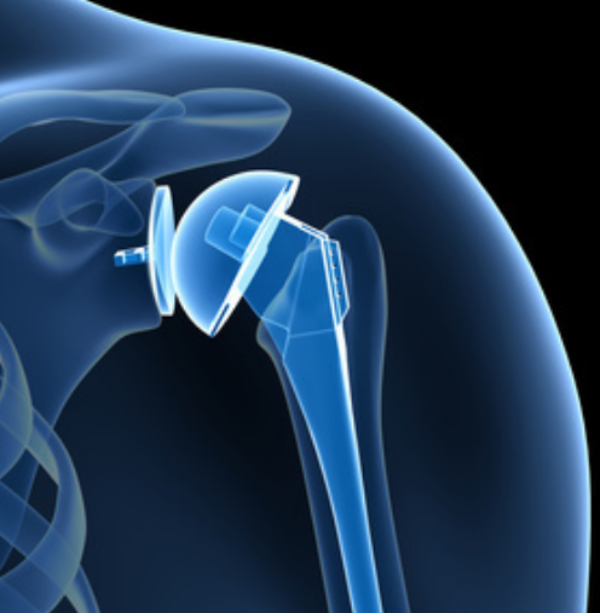
There are different types of shoulder replacement procedures. The appropriate option depends on factors such as bone condition, joint damage, and the function of the rotator cuff.
This is an important distinction for patients comparing treatment choices in Mumbai. Shoulder replacement is not one standardized operation performed identically for every shoulder problem.
Non-surgical treatment also has an important role. When structural damage is not advanced or symptoms remain manageable, conservative care may help maintain movement and function. The objective is not merely postponing surgery; it is selecting treatment proportionate to the condition.
Dr Dhirav Shah considers clinical findings, imaging, functional limitations, previous treatment, and patient-specific requirements when assessing whether replacement surgery should enter the treatment plan.
Recovery should be part of the decision as well. Following shoulder replacement, rehabilitation usually progresses gradually. Protecting healing tissues while restoring movement and eventually strength requires adherence to the prescribed programme. Returning to lifting or demanding activities too early may interfere with recovery.
Patients across Mumbai and Maharashtra considering shoulder surgery can benefit from comparing options according to diagnosis rather than choosing based on procedure names alone.
A useful consultation should clarify three things: what structure is responsible for the pain, how advanced the damage is, and what each available treatment can realistically achieve. When those questions are answered clearly, deciding between continued conservative care and shoulder replacement becomes far more informed and individualised.