

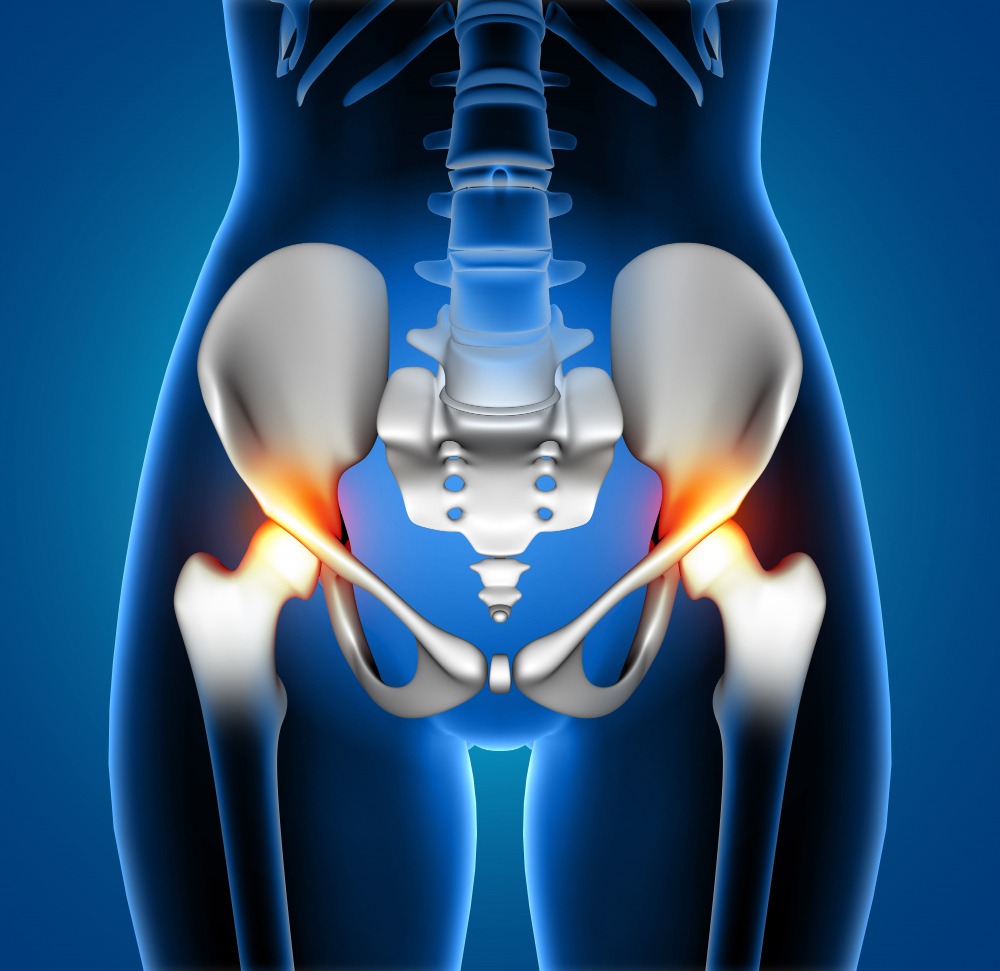
Hip problems can make seemingly simple movements surprisingly difficult. Getting out of a chair, putting on footwear, walking to work, or turning in bed may become uncomfortable when the hip joint is significantly damaged. For people with advanced joint deterioration, Total Hip Replacement Treatment may be considered after an appropriate clinical assessment.
The hip is a ball-and-socket joint. Healthy cartilage allows the surfaces to move smoothly, but conditions such as osteoarthritis, avascular necrosis, certain fractures, and inflammatory disorders can damage these surfaces. As damage progresses, pain and stiffness may begin interfering with mobility.
Hip replacement surgery involves replacing damaged portions of the hip with artificial components. However, the presence of hip pain does not automatically mean that replacement is required.
An orthopaedic evaluation may look at several factors, including:
- Where the pain occurs
- How long symptoms have been present
- Whether pain occurs during movement or at rest
- Range of hip movement
- Walking ability
- X-ray findings
- Previous treatments
- Age, health and functional expectations
One point patients should understand is that hip pain does not always originate from the hip joint itself. Lower-back conditions and other musculoskeletal problems can sometimes produce symptoms around the hip or thigh. Establishing the source of pain is therefore important before planning treatment.
For patients in Mumbai and other parts of Maharashtra, lifestyle and daily mobility requirements can also influence treatment planning. Walking on uneven surfaces, using stairs, travelling for work, and maintaining independence may all be relevant when discussing the functional impact of a damaged hip.
If surgery is recommended, preparation generally includes medical evaluation, investigations, discussion of medications, and planning for rehabilitation. Recovery continues beyond the hospital stay. Walking progression, strengthening, precautions, and return to everyday activities are guided according to individual recovery.
Modern hip replacement planning also considers component selection, surgical approach, bone condition, and patient-specific factors. No single implant or technique is automatically the correct choice for every individual.
Dr Dhirav Shah assesses hip pain and joint damage with the aim of identifying whether conservative care remains appropriate or whether surgical treatment should be considered.
For someone living with persistent hip pain, early assessment can provide clarity even when surgery is not immediately required. Understanding the diagnosis, extent of joint damage, available alternatives, and expected recovery provides a much stronger foundation for deciding whether total hip replacement is the appropriate next step.