

Hip pain can affect nearly every aspect of daily life, from walking and climbing stairs to sitting comfortably for extended periods. When pain becomes persistent and limits independence, Total Hip Replacement Treatment may be considered after other treatments have been exhausted.
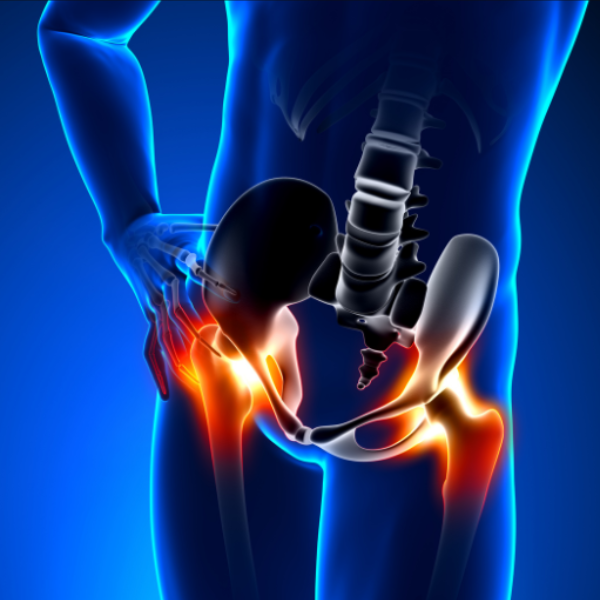
The hip is a ball-and-socket joint that allows smooth movement in multiple directions. Over time, arthritis, injury, or age-related wear can damage the cartilage that cushions the joint. As the cartilage deteriorates, bones begin rubbing against each other, causing pain, stiffness, and reduced mobility.
For many patients across Mumbai, understanding how hip replacement works helps reduce uncertainty and supports informed healthcare decisions.
Conditions That May Lead to Hip Replacement
Several orthopedic conditions can damage the hip joint over time.
These include:
- Osteoarthritis
- Rheumatoid arthritis
- Avascular necrosis
- Hip fractures
- Post-traumatic arthritis
- Congenital hip abnormalities
The severity of symptoms, imaging findings, and the impact on daily activities all influence treatment recommendations.
What Does the Procedure Involve?
During Total Hip Replacement Treatment, the damaged portions of the hip joint are removed and replaced with artificial components designed to replicate natural joint movement.
The replacement typically includes:
- A metal or ceramic ball
- A durable socket liner
- A stem placed within the thigh bone
The materials used today are designed for durability while supporting smooth joint function.
Recovery Expectations
Most patients begin moving under medical supervision soon after surgery. Recovery progresses gradually over several weeks and months through structured rehabilitation.
A recovery plan often includes:
- Walking with assistance initially
- Physiotherapy to improve flexibility
- Strength-building exercises
- Balance training
- Safe return to daily activities
Following medical advice and rehabilitation schedules contributes significantly to successful recovery.
Questions to Ask Before Choosing Treatment
Patients considering surgery should discuss several important topics with their orthopedic specialist.
Some useful questions include:
- Is surgery the best option for my condition?
- Are there non-surgical alternatives?
- What type of implant is recommended?
- How long is the expected recovery?
- What precautions should be followed after surgery?
Open discussions help patients understand both the benefits and responsibilities associated with treatment.
Orthopedic Care in Mumbai
Mumbai has become an important destination for advanced orthopedic care because of its experienced specialists, modern hospitals, and comprehensive rehabilitation services. A well-planned treatment journey includes detailed diagnosis, individualized surgical planning, and continued follow-up after the procedure.
Dr Dhirav Shah evaluates each patient's condition carefully before recommending Total Hip Replacement Treatment. Every recommendation is based on clinical findings, patient goals, and long-term joint health rather than a one-size-fits-all approach.
Understanding the available treatment options and seeking timely orthopedic advice can help preserve mobility and improve overall quality of life for individuals living with chronic hip pain.